By Yusuf Bangura
Jul 06, 2026
I’ve not been a fan of FIFA since the corruption scandals that wrecked Sepp Blatter’s presidency of the organisation in 2015. But FIFA’s decision to rescind Folarin Balogun’s red card—allowing him to play for the US in their Round of 16 match against Belgium tonight—is the final straw that has destroyed my confidence in the organisation’s ability to protect the integrity of the game.
A Dangerous Precedent
I didn’t watch the US–Bosnia match in which Balogun received a red card. But I’ve watched video clips of it and read accounts of the match and the incident. Twenty minutes into the second half, Balogun and Bosnian defender Tarik Muharemovic collided on the edge of the penalty area while challenging for a loose ball.
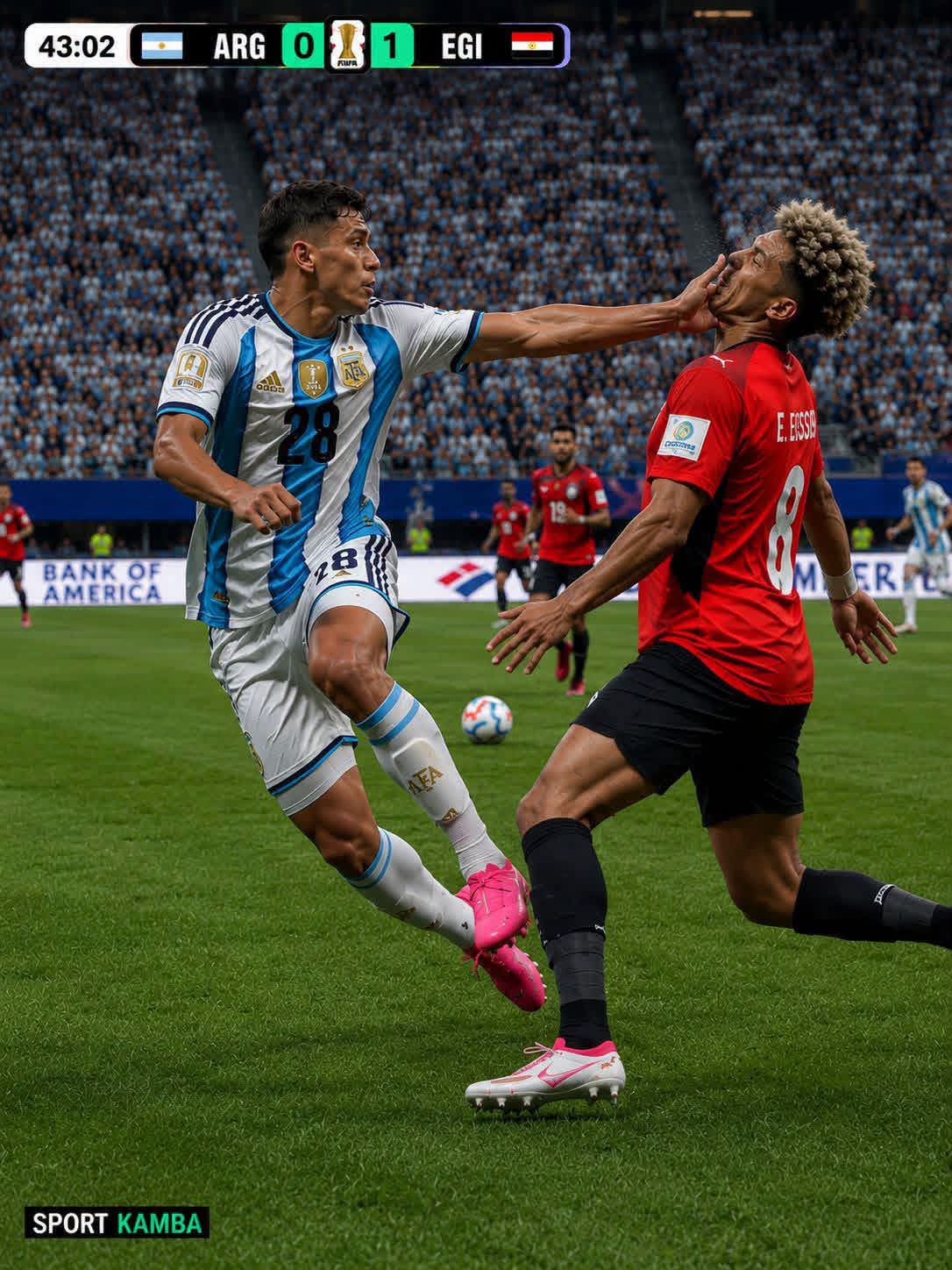
As Balogun fell to the ground, he awkwardly planted his right foot onto Muharemovic’s upper ankle and calf. Although the referee was close to the incident, he didn’t see it as a foul and allowed play to continue.
However, the Video Assistant Referee (VAR) thought otherwise and alerted the referee to re-examine the incident on the VAR monitor. Slow-motion replays showed the contact was particularly severe. The referee reversed his decision and issued a red card, deeming the contact ‘serious foul play’. However, many pundits felt the red card decision was harsh. The replay I saw on YouTube looked like a dangerous tackle.
A FIFA red card typically carries a mandatory, un-appealable one-match ban, which would have prevented Balogun from playing in the upcoming match against Belgium. However, FIFA’s Disciplinary Committee issued an unprecedented, highly controversial reprieve four days after the incident and 48 hours before the match with Belgium, by invoking Article 27 of the FIFA Disciplinary Code. It fully suspended the implementation of the ban, placing Balogun instead on a one-year probationary period. This means Balogun can now rejoin the US team for the Seattle Round of 16 match.
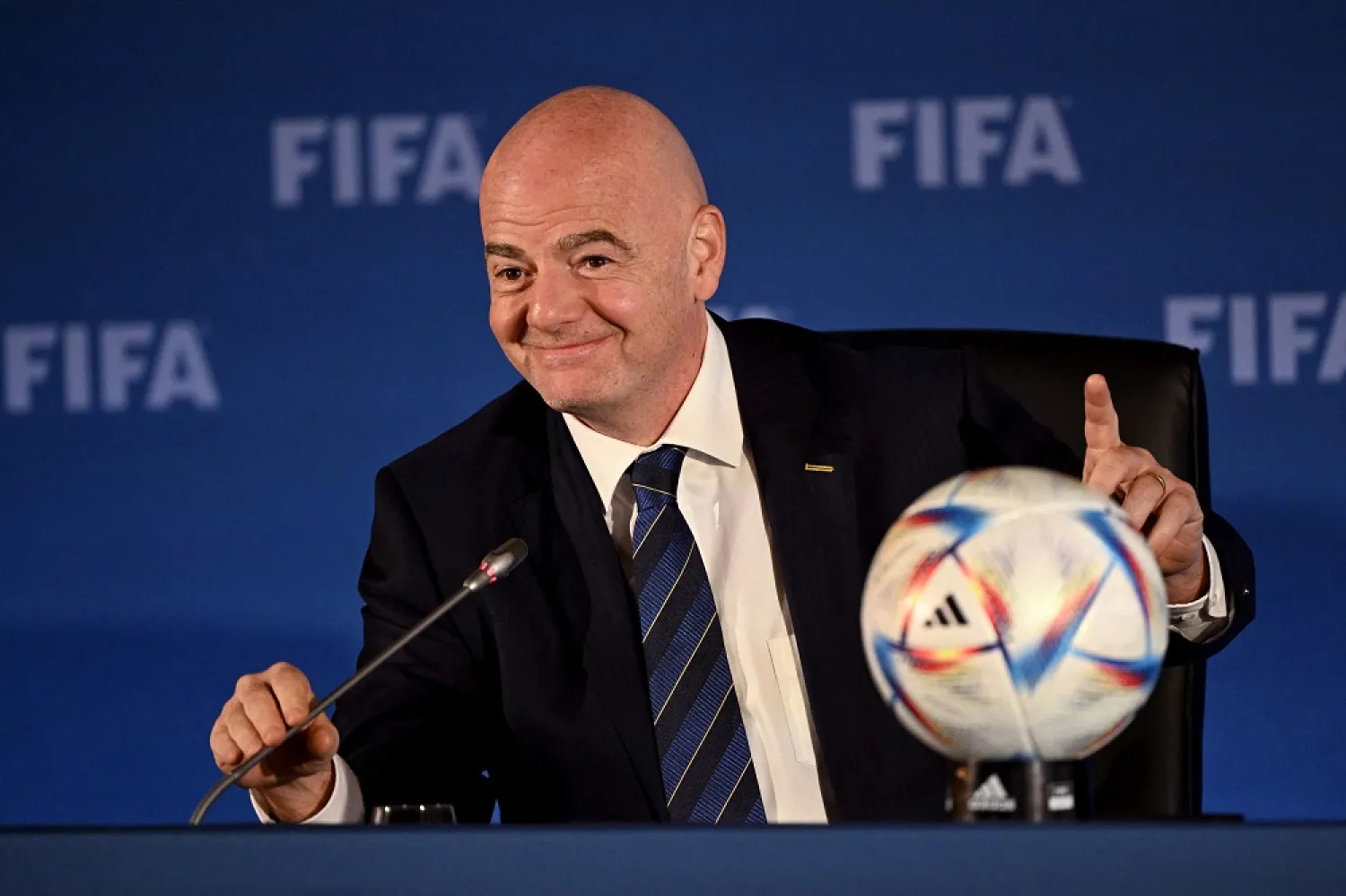
Pundits and fans are outraged, especially as evidence has emerged that Trump made three calls to FIFA President Gianni Infantino urging him to review the ban (Hughes, 2026). Trump later wrote on his Truth Social account, thanking FIFA “…for doing what was right, and reversing a great injustice!”
The Royal Belgian Football Association launched a blistering protest against FIFA’s decision, citing not only its loss of competitive advantage, but also accusing FIFA of administrative obstructions, breaking its own rules, and compromising the integrity of the World Cup. Supported by UEFA—which labelled FIFA’s action as crossing a red line—the Belgian FA has vowed to continue its legal fight regardless of the match’s outcome in order to protect the game from political interference.
Damaging Consequences
Critics argue that probationary periods have only been used for off-field or administrative offences, rather than standard on-field red cards. For instance, managers who receive multi-match bans for challenging referees or making inflammatory press statements have often had the final games of their bans commuted on a one-to-two-year “good behaviour” probation. FIFA has also issued fines and conditional stadium bans against unruly or racist fans, suspended on a one-year probationary period, which takes effect only if the offence is repeated.
This unprecedented decision of FIFA to bow to political pressure has sounded the death knell of FIFA’s long-standing and glorious fight against political interference in football. FIFA will have no legal legs to stand on in future if politicians interfere in the administration of their own national leagues, as some have notoriously and repeatedly done in the past.
FIFA’s decision has created a chilling perception that host nations and global superpowers can wield their enormous leverage to influence tournament rules and, perhaps, results on the field. It sets a very dangerous precedent where powerful leaders may in the future lobby FIFA heads directly during international tournaments, undermining the basic tenet that football must always remain entirely separate from government influence.
Furthermore, by converting an on-field red card suspension into a ‘one-year probation’, FIFA has opened the door to other teams to also appeal on-field red cards and receive the lighter punishment of a one-year probation. This means that the traditional, strict, mandatory rule of players serving, at the minimum, a one-match ban for a red card has been turned into a discretionary rule. In future, any team that loses a star player to a controversial dismissal will expect to receive the ‘Balogun favour’ of a probationary reprieve.
This is UEFA’s scathing statement on FIFA’s decision:
“Football is the most loved sport in the world because it is trusted and played everywhere with the same laws. A tournament is never a pure standalone and, if the tournament in question is the World Cup, it has the power to drive positive or negative consequences on the game as a whole. We express our disbelief at such an unprecedented, incomprehensible, and unjustifiable decision.” “Yesterday’s decision…crossed a red line. When the certainty of rules is no longer guaranteed by its guardians, the integrity of the game is at stake and the credibility of a competition is undermined”.
We should expect a major institutional battle over the governance of international tournaments. Continental federations may demand reforms to strip FIFA’s leadership of unilateral discretionary powers, which might spill over to the Court of Arbitration for Sport (CAS).
One other damaging implication of FIFA’s decision is its likely effect on referees in future tournaments. The fact that a political board can later step in to change referees’ decisions will make refereeing high-stakes matches highly precarious and stressful.
Disturbingly, FIFA’s decision may create a two-tiered justice system. Compare the Balogun treatment with the punishment meted out to Assim Madibo of Qatar earlier in the tournament when he was handed a strict five-match ban for a serious foul in their match against Canada. There was no recourse, no independent board review, and no probation.
This suggests that smaller or less politically connected nations will likely face the full force of the unappealable rule on red cards, while powerful nations may enjoy a more lenient application of the rule. It undermines the fundamental sporting principle that everyone plays under the exact same laws.
This is not the first time that FIFA under Infantino has shamelessly pandered to Trump. In December 2025, Infantino presented Trump with a so-called FIFA Peace Prize, which, as reports later indicated, was done unilaterally without consulting or getting approval from the FIFA Council. Infantino presented Trump with a massive trophy, a medal, and a certificate, and praised Trump for his leadership in promoting peace around the world—while ignoring Trump’s complicity in Israel’s genocide in Gaza, his threats to annex Canada and Greenland, and his blatantly unilateralist foreign policy that has upended the multilateral legal order and institutions.
FIFA under Infantino believes it is above its own rules. Its six confederations should call the governing board to order and work towards restoring the integrity of the game.