By Mohammed Bello Doka
Let me be clear from the outset: I have my grouse with Aliko Dangote. Many of us from Northern Nigeria do. For decades, we watched the world’s richest black man build over 90% of his empire in the South. His cement plants are in Obajana, Kogi State, and Ibese, Ogun State, with the Okpella plant in Edo State and the Gboko plant in Benue State. His sugar refinery is in Apapa, Lagos, with the Numan facility in Adamawa State serving as the backward integration project. His ports, his fertilizer plant, his petrochemicals, all of them sit in the South, paying billions in taxes to Southern state governments while the North that produced him wallowed in poverty, unemployment, and decay. The Kano skills centre was left to rot. A man worth over fourty billion dollars could not build a world-class university in Kano or Kaduna, could not establish a manufacturing hub in the North West where he came from, could not do for his own people what he did for Lagos. That is a legitimate grievance, and I will not pretend otherwise.
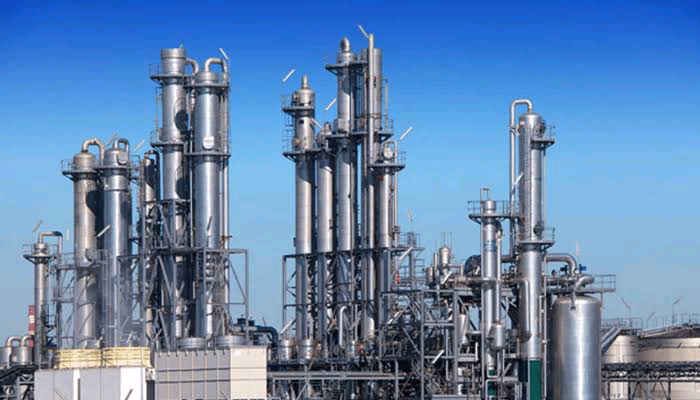
But I am also a Nigerian, and I am an African. And when I look at what this man has built in the Lekki Free Trade Zone, I am compelled to separate the man from the monument. The Dangote Refinery is not Aliko Dangote’s private trophy. It is Africa’s answer to a century of exploitation, a declaration that black Africans can build world-class industrial infrastructure on their own soil, with their own capital, against all odds. That refinery is a national treasure, and it deserves our protection, not our suspicion.
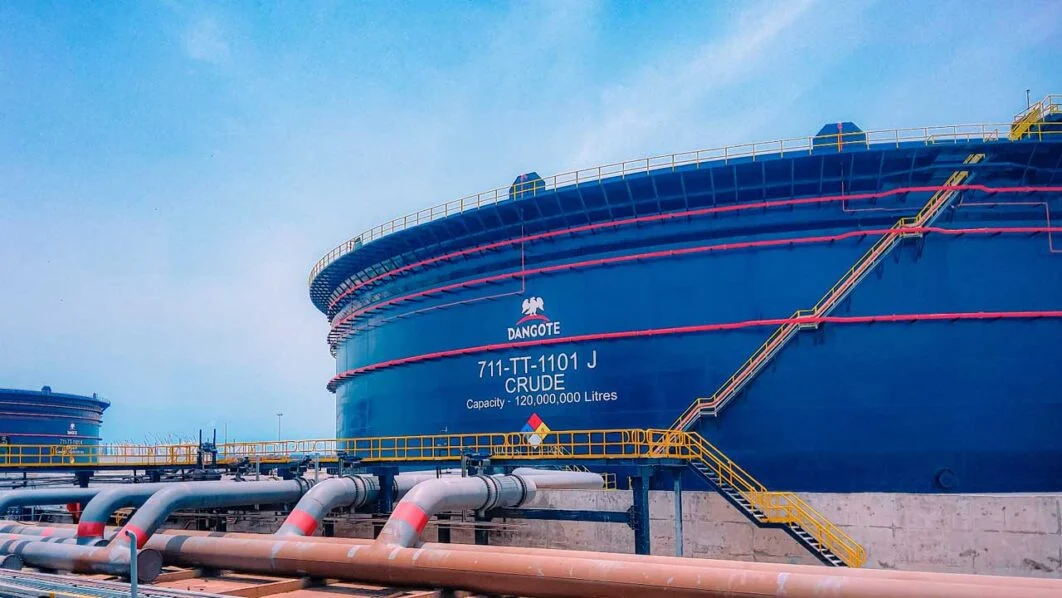
Consider what the refinery represents. It is a twenty-billion-dollar facility, the largest single-train refinery in the world, the first refinery globally to achieve full nameplate capacity of 650,000 barrels per day in a single train at that scale. No other nation on this continent has built anything close. For decades, Nigeria exported crude oil and imported refined petroleum, enriching foreign refiners, foreign shippers, and a parasitic cabal of importers who grew fat on the nation’s dependency. The Dangote Refinery shattered that arrangement. By April 2026, it was supplying over 79 percent of Nigeria’s domestic petrol consumption, and imports had collapsed. It could save this country up to ten billion dollars annually in foreign exchange, create over 65,000 jobs, and contribute more than 55 billion dollars to the economy each year.
And now, with the impending initial public offering, the refinery is about to belong to all of us. On September 14, 2026, the offer opens: 4.1 billion shares at 525 naira each, raising approximately 2.15 trillion naira, roughly 1.6 billion dollars, in what is the largest IPO in African history. At the offer price, the refinery is valued at about 47.8 billion dollars. For the first time, ordinary Nigerians can own a piece of this colossus with as little as ten shares, roughly 5,250 naira. Pension funds, asset managers, retail investors, African institutions from Nigeria to South Africa to Kenya to Ghana can participate. The refinery stops being one man’s gamble and becomes our shared inheritance. This refinery is ours. When the IPO goes live, I will buy the few shares I can afford, not because I expect to make a fortune, but because this is bigger than Aliko Dangote. This is a national treasure, a thing of pride, and when the history of Africa is written, I want my name to be on the golden pages.
This is precisely why the enemies of this project are terrified. And make no mistake, there are enemies. Dangote has alleged, repeatedly and in court, that a cabal of import-dependent interests, the so-called Malta Cabal, has worked relentlessly to sabotage the refinery. The evidence is damning. The refinery receives only four to five crude cargoes per month against the thirteen to fifteen required for full utilisation, forcing it to buy Nigerian crude through international traders at premium prices. The Nigerian Midstream and Downstream Petroleum Regulatory Authority suspended import licences in February 2026, acknowledging that domestic refining could meet demand, then reversed course in May and issued licences to six marketers for 720,000 metric tonnes of petrol. Dangote sued the Federal Government over those licences. The case is still in court.
Let me ask a simple question: what kind of government starves its own refinery of crude and then licenses imports to compete against it? What kind of government watches NNPC fail to fix its refineries for four decades, then lectures the one man who actually built a functioning refinery about monopoly? What kind of government publicly takes credit for the refinery’s achievements while quietly working to undermine it?
This is the hypocrisy that stinks to high heaven. When the Dangote Refinery reaches full capacity, government officials rush to the cameras, claiming credit for creating an enabling environment. When the refinery supplies 79 percent of domestic petrol, they boast about fuel security. But behind the scenes, they issue import licences that undercut it. They delay crude allocations. They allow misinformation campaigns to spread through their media handlers, the same data boys who will defend anything for a plate of rice, who will defend Lucifer if he can offer data fees. They use regulatory ambiguity as a weapon, hiding behind Sections 317(8) and 317(9) of the Petroleum Industry Act while refusing to clarify the rules. And they call it competition policy.
No. This is not competition. This is sabotage dressed in regulatory language. This is the same old Nigerian playbook: when a black man builds something great, the system conspires to tear it down. The World Bank, in its infinite wisdom, has advised Nigeria to continue fuel importation to check monopoly. The World Bank. An institution that has never built a refinery in Africa, telling the continent’s largest oil producer to keep importing fuel. If that is not evidence of a cabal, I do not know what is.
But here is the thing: the cabal is losing. The IPO changes everything. Once millions of Nigerians, Africans, and global investors own shares in this refinery, attacking it becomes attacking pensioners, attacking retirees, attacking small savers, attacking African capital markets. You can starve a private company of crude. You can sue a billionaire. You can brief journalists against an individual. But you cannot easily wage that war against millions of shareholders whose retirement, whose savings, whose national pride is tied to the same asset. The refinery becomes too interconnected to fail, too embedded to kill.
That is the genius of what Dangote has done. Not the refinery alone, but the financial architecture around it. The banks that lent billions to this project now have every incentive to protect it. The pension funds that will buy shares have every incentive to defend it. The African exchanges that list it have every incentive to see it succeed. The refinery is no longer just steel and pipes. It is a web of interests, a constituency of millions, a national asset in the truest sense.
So I will repeat: I have my grouse with Dangote. The North has been neglected. The taxes flow South. The corporate social responsibility is concentrated in Lagos. That is a failure, and it should be said. But I will not let my grievance blind me to the bigger picture. This refinery is proof that black Africans can achieve great things. It is proof that we do not need foreign masters to develop our continent. It is proof that Nigerian capital, Nigerian ingenuity, Nigerian labour can compete on a global scale. That is worth celebrating. That is worth defending. That is worth protecting from the hawks who would rather see it fail than see Africa succeed.
The cabal may not be defeated yet. But the refinery will outlive them. And when it does, it will belong to all of us.
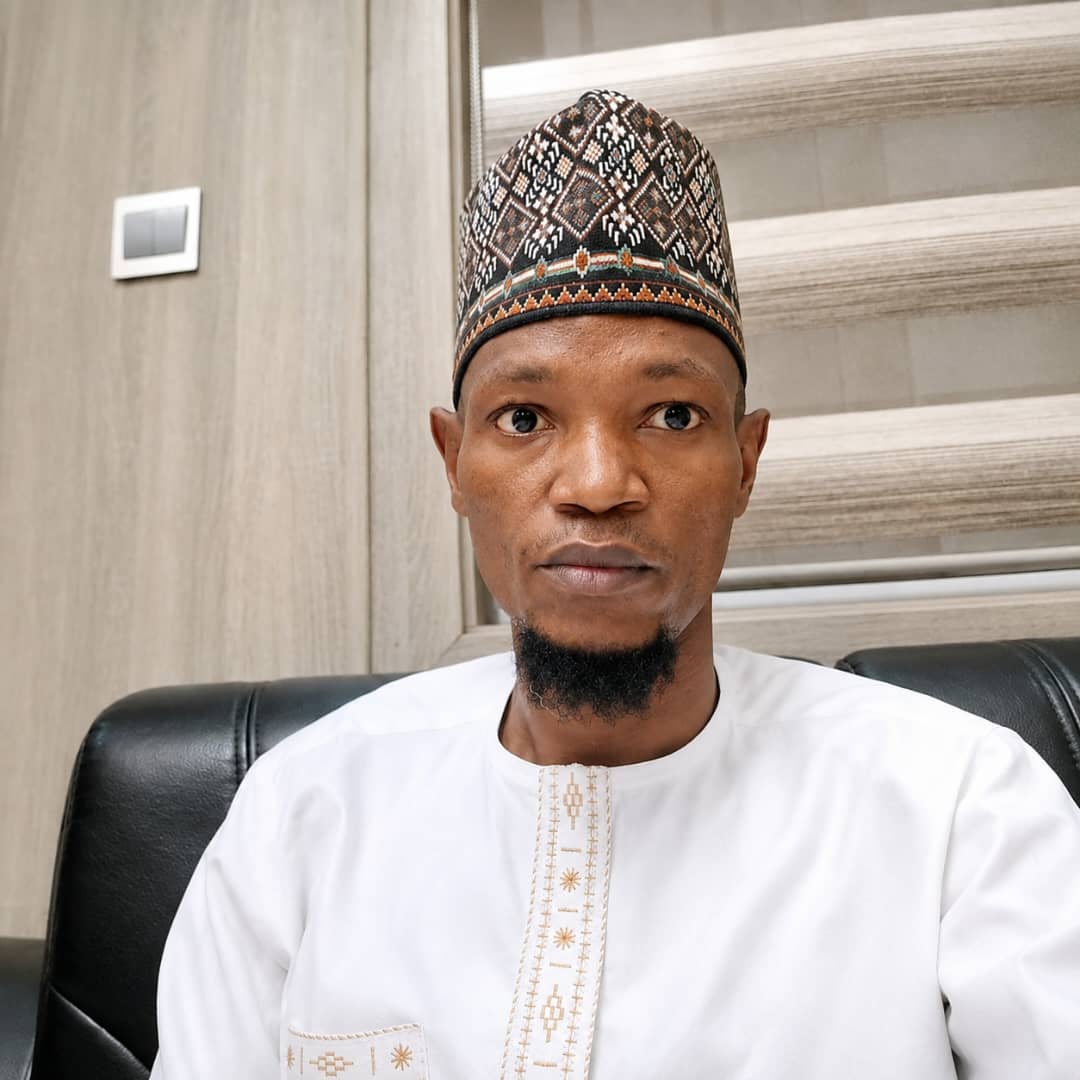
Mohammed Bello Doka is a Nigerian journalist, writer and media professional based in Abuja. His writing focuses on Nigerian politics, governance, security challenges and the country’s place within wider African and international affairs.
Doka has a particular interest in Northern Nigeria, democratic governance, regional security and the political and socioeconomic factors shaping contemporary Nigeria.