By ETIM ETIM
Late Monday night, a popular social media influencer and political commentator in Kano, Ibrahim Khalil, popularly known as Dan Shagamu, was stabbed to death in his home in Gaida Quarters, Kumbotso LGA of Kano. He was known for his critical views on Kano government as well as outspoken commentaries on politics, religion and community issues. His large following on Facebook and Tik tok unsettled the establishment and made him friends and enemies. Dan Shagamu previously worked as a reporter in a local radio station before becoming full-time content creator. The police have arrested two suspects in connection with the murder and a manhunt is underway to apprehend the others.
The following day, Tuesday, September 8, thugs in Markurdi blocked the convoy of Peter Obi, Presidential candidate of NDC, on Airport Road as he was proceeding to Yelwata community to visit an IDP camp. They chanted anti-Peter Obi songs and asked the politician not to enter Benue State. The thugs were apparently taking a cue from the governor of the state who had, last year, asked Obi not to visit the state. Osun State has also been a theatre of politics of intolerance. In the three months leading up to the August 15 governorship election in that state, at least 34 election-related violent incidents and 18 deaths were recorded, according to records from the Center for Journalism Initiative and Developments Conflict. Other organizations have also been keeping records. The Police has separately documented 30 killings it classified as politically motivated in the week before the Osun election. Things came to a head when a sitting senator openly asked his supporters to kill their opponents. He was later invited by the police for interrogation after the comments caused so much outrage across the nation.
There are fears across the land that politically motivated violence is creeping back into our polity or rising in frequency; and that the 2027 elections, only four months away, may be marred by one form of crisis or the other. Political violence remains a serious threat to democratic stability, rule of law and good governance. It manifests in various forms such as pre-election violence; thuggery and clashes and electoral malpractices. As we saw in Osun, pre-election violence comes with a great deal of physical harm and destruction of opponents’ campaign materials. Violent confrontations between rival party supporters during rallies and campaigns, as well as ballot box snatching, voter suppression and attacks on electoral workers are also common occurrences in our polity. They are the reasons many stay away from voting.
Some commentators are quick to blame poverty and unemployment; weak enforcement of laws and identity politics for politically motivated violence. That’s just part of the story. Incitements by influential political leaders or outright murder-for-hire or contract killing are the leading causes of violence. In some instances, the leader doesn’t even have to voice out that he wants the leading opponent out of the way. It only takes an overzealous supporter of the leader, his chief detail or security adviser to pick up the boss’ body language.
If a governor or president, for example, is in the habit of complaining to his aides that a certain social media influencer or journalist is causing him undue irritation and headache, it would only be a matter of time before the aides get into action to ‘’teach the irritant a lesson’’. The violence in Lagos in 2023 arose primarily because an influential traditional ruler threatened to have Igbos drowned in the Atlantic for not supporting APC. Muhammadu Buhari’s ‘’dog and baboon soaked in blood’’ comment in 2012 was enough signals to his supporters to take up arms if he lost the 2015 election. President Donald Trump’s ‘’fight like hell’’ prompting to his supporters on January 6, 2021, was a culmination of a series of inciting speeches, statements and social media posts that set off the attacks on the Capitol. A leader’s words carry weight, influence and can set a nation on fire.
Since 1999, Nigeria has seen many high-profile pay-for-hire deaths in the political arena. These were chronicled in my article in July titled ‘’Political assassination: Should we take Peter Obi seriously?’’ Bola Ige; Marshall Harry; Chief Aminosoarri Dikibo; Otunba Dipo Dina and Funsho Williams were mentioned in that piece as some of the major victims of violence in the last 25 years. I am apprehensive that we are returning to that era as desperate politicians take the law in to their hands. From historical experience, political assassination is more likely to occur in a state where an insecure governor is contesting for reelection or working to foist a stooge as a successor.
The urge to impose a successor who is expected to cover the tracks of the departing boss and protect him from possible investigation and prosecution is so compelling that it may lead to the murder of whosoever stands in the way. In addition, underlying political tensions; political dominance of one group by one person or group; deep seated injustices and political marginalization could also create conditions for violence. This is why we should watch out for some hotspots like Lagos; Kano; Edo; Rivers; Imo and Katsina before and during the 2027 general elections. The descent of Lagos into violence and subsequent ethnic tensions that engulfed the city in the immediate aftermath of the 2023 elections frightened me and reminded me of the 1994 genocide in Rwanda. Ostracizing ethnic and religious minorities from mainstream politics and economic opportunities and fanning embers of division are the main ingredients for mass upheavals.
Akwa Ibom State was wracked by severe political violence between 2008 and 2011 and between 2014 and 2015. In fact, the 2015 election was the most violent in the state. Extreme anxiety over the reelection of the incumbent governor and imposition of a successor were the main causative factors. Gov. Umo Eno’s defection to APC last year with many PDP members has considerably shifted the texture of politics in the state, and for the first time in a long while, 2027 would be the most peaceful election in the state. All the former political gladiators in the state are now in the same camp. The governor’s natural disinclination to politics of savagery has introduced a more conducive and harmonious season in the state. Indeed, a leader’s character, style and natural proclivities can make a change.
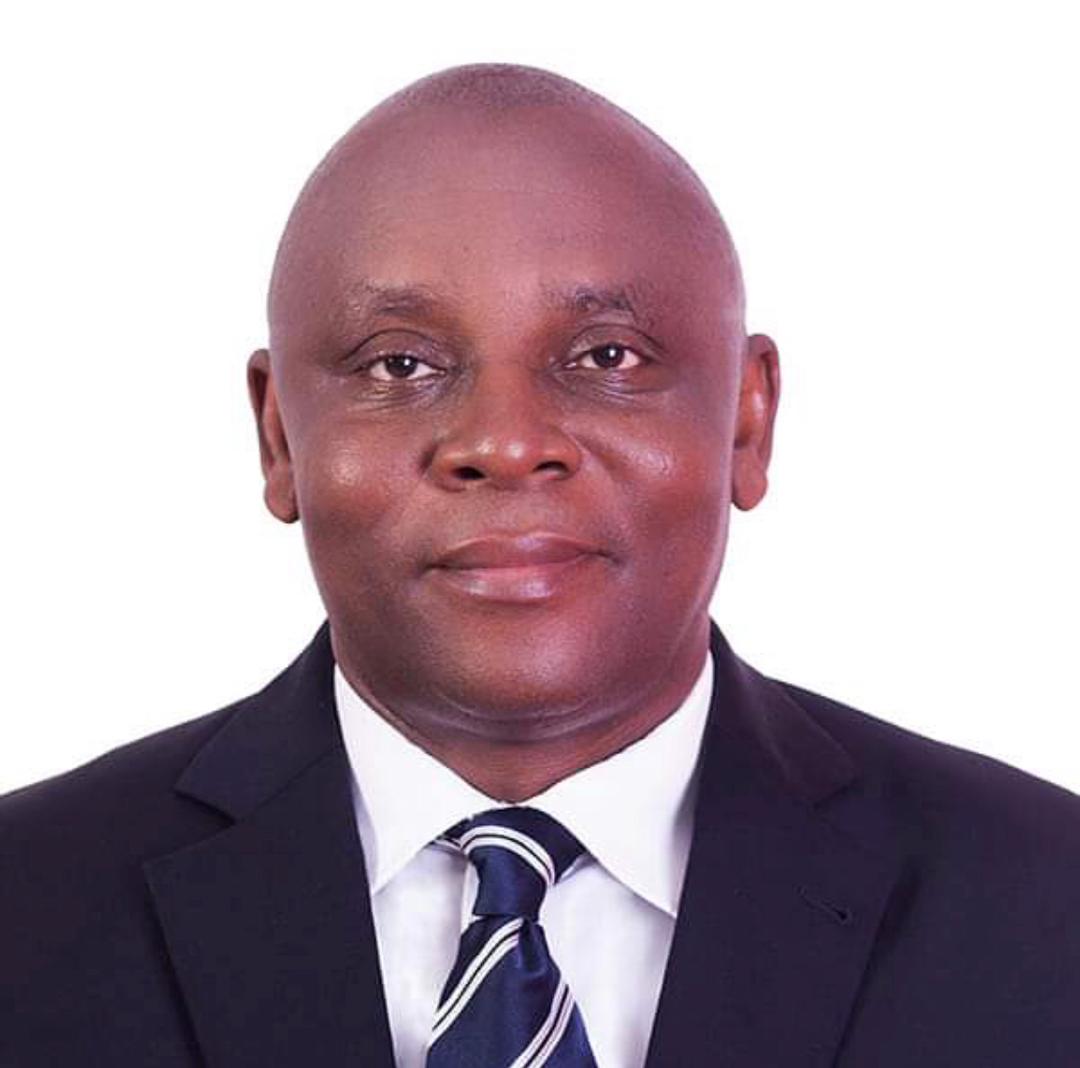
ETIM ETIM is a veteran journalist and PR professional with over 35 years of cognate experience.
He is the publisher and editor-in-chief of Policy & Politics (www.policyandpolitics.com.ng), an online newspaper dedicated to insightful analysis of Nigerian news and world’s report. He is also a columnist with BusinessDay and The Cable and is a regular contributor to other newspapers.
Contact: +234802 3159969 (WhatsApp Only)