By Kio Amachree
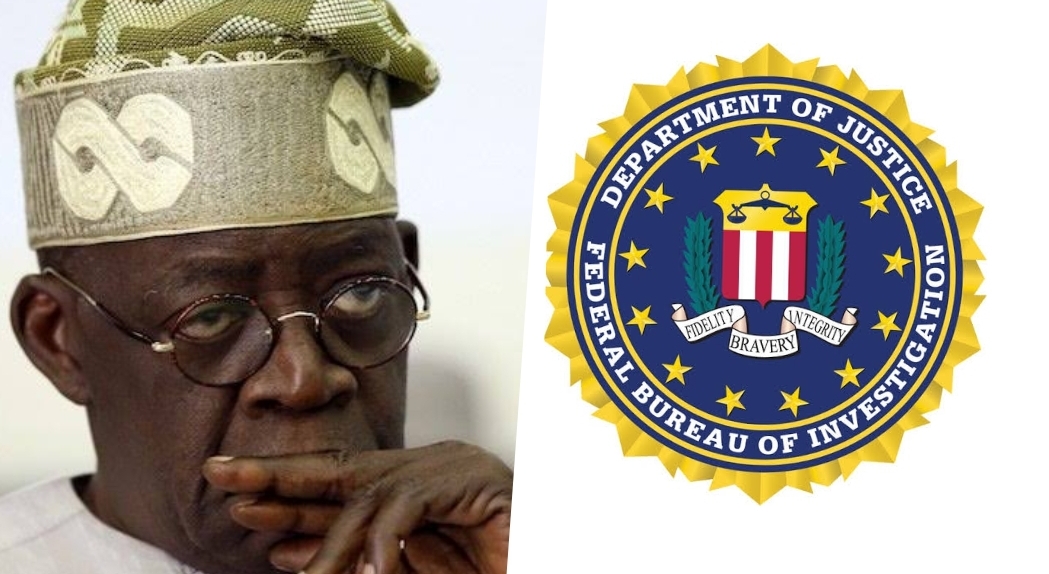
The FBI must come to its senses and recognise that its continuing legal manoeuvres over the Bola Tinubu records are damaging confidence in both American justice and US–Nigeria relations.
Nigeria’s 230 million citizens cannot be treated as though they have no right to ask questions about the background of their own president. These records concern events dating back more than three decades. The public is entitled to know what happened, what role Tinubu played, and why American agencies remain so determined to conceal significant portions of their files.
On August 20, 2026, the FBI asked the US District Court for permission to submit declarations ex parte and in camera in support of its renewed motion for summary judgment. In plain language, the FBI wants to explain its reasons for withholding information privately to Judge Beryl Howell, without Aaron Greenspan or the public seeing its full argument.
The FBI relies partly on FOIA Exemptions 7(E) and 7(F), claiming disclosure could reveal investigative techniques or endanger someone’s life or physical safety. Greenspan opposed this request after the parties conferred on August 19, making it a contested motion that Judge Howell must now decide.
After more than thirty years, the assertion that meaningful disclosure would create an unacceptable danger requires the most rigorous judicial scrutiny. It cannot become an indefinite licence for secrecy.
Many Nigerians now suspect that Tinubu may have been a valuable American intelligence or law-enforcement source. That remains an allegation and has not been established by the public record. But the FBI’s extraordinary resistance inevitably fuels that suspicion. Government agencies cannot behave as though these records contain matters of exceptional sensitivity and then expect the public to believe they contain nothing important.
If Tinubu cooperated with American authorities, Nigerians deserve to know the nature and extent of that cooperation. What information was provided? What arrangements, if any, were made? Did those arrangements influence decisions not to prosecute? Could any undisclosed relationship affect Nigeria’s sovereignty or its dealings with the United States?
These are legitimate questions—not conspiracy theories to be dismissed with another sealed declaration.
For accuracy, August 21 is a deadline in the summary-judgment briefing process, not an automatic date for the complete files to be released. Further briefing deadlines reportedly extend into September. The immediate dispute is whether the FBI may present part of its justification secretly before the court determines whether its withholding is lawful.
That distinction does not diminish the importance of this moment. It demonstrates that the fight for disclosure is continuing and that the FBI is still resisting full public scrutiny.
The United States must decide whether it stands for transparency and respect for the Nigerian people or for permanent secrecy surrounding one politically powerful individual. The present position is unsustainable. The longer the agencies resist, the stronger the public suspicion becomes.
The Nigerian people are informed, alert and determined to discover the truth. They will not be patronised, silenced or treated as subjects whose questions do not matter.
The era of secrecy must end. Let the court examine the FBI’s claims critically—and let the truth come out.