Isaac Samuel
A member of the United States House of Representatives, Greg Steube, has secured the passage of an amendment that seeks to withhold all U.S. assistance to Nigeria until the country demonstrates measurable progress in tackling terrorism and protecting vulnerable communities.
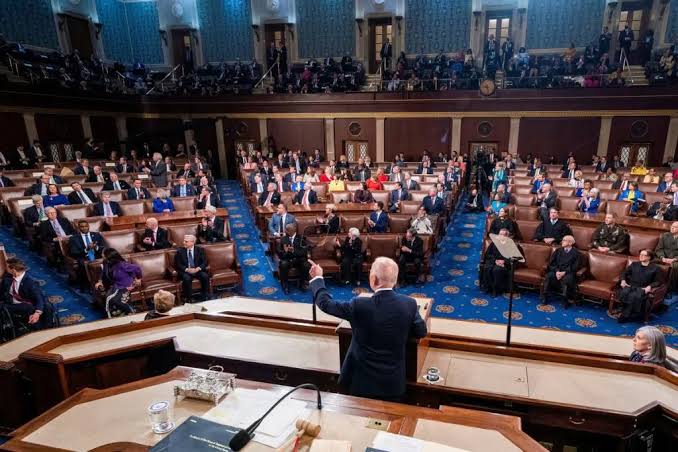
Steube, who represents Florida’s 17th Congressional District, presented the amendment on Wednesday during deliberations in the House.
The proposal was adopted through a voice vote.
The amendment increases the proposed reduction in U.S. assistance to Nigeria from 50 per cent to 100 per cent, pending certification by the U.S. Secretary of State that Nigeria has taken effective measures to prevent violence, respond to attacks and ensure accountability for perpetrators.
Speaking in support of the amendment, Steube accused the Nigerian government of failing to adequately address persistent violence and insecurity across the country.
According to him, Christians and other religious minorities have continued to face attacks by extremist groups, including abductions, killings and destruction of places of worship.
“I rise in strong support for my amendment to increase the withholding threshold for assistance to Nigeria from 50 per cent to 100 per cent while maintaining benchmarks that require Nigeria to take effective steps to address the violence and persecution devastating the country,” he said.
Steube argued that if concerns over insecurity and religious persecution were serious enough to justify withholding half of U.S. assistance, they should warrant the suspension of all such aid until meaningful action is taken.
He further questioned continued U.S. financial support for Nigeria at a time when America faces mounting fiscal pressures, insisting that taxpayer funds should not be directed to governments that fail to uphold religious freedom, confront terrorism or protect citizens from persecution.
“The generosity of American taxpayers should not be used to support regimes that fail to meet these basic responsibilities,” he stated.
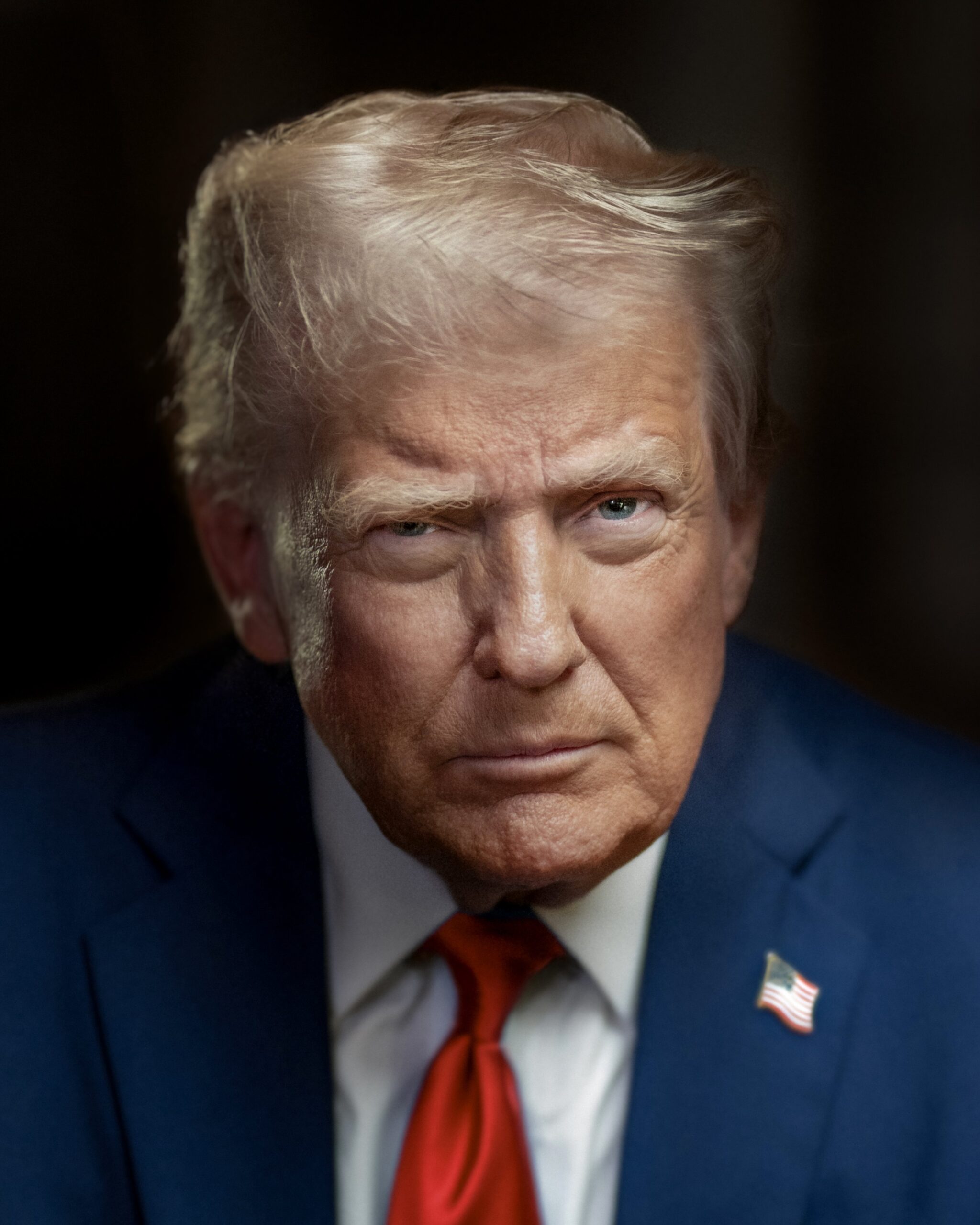
The development comes months after U.S. President Donald Trump designated Nigeria as a Country of Particular Concern (CPC), citing allegations of religious persecution and violence against Christians.
The proposed aid restrictions are expected to remain in place until the U.S. Secretary of State certifies that Nigeria has met the stipulated conditions relating to security, accountability and protection of affected communities.