By Aniebet James
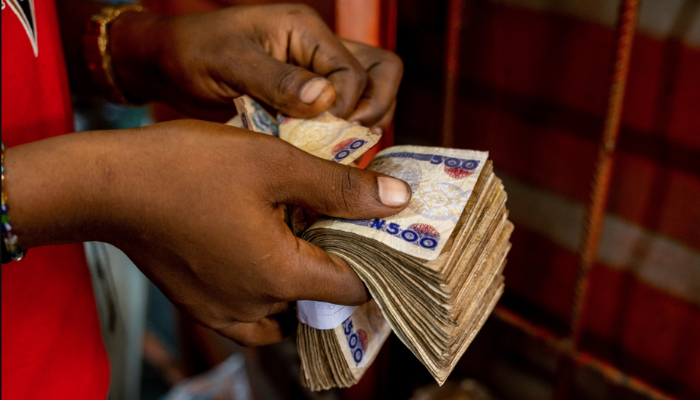
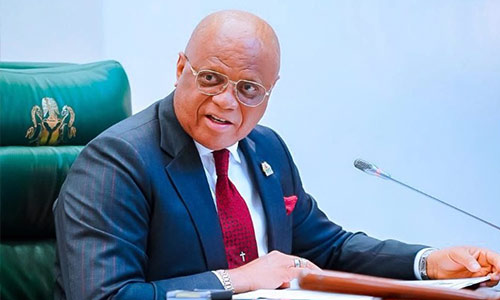
Governor Umo Eno’s claim that his akara business used to generate N10 million monthly has kept the media space buzzing with opinions. But if we look at it from a business angle, the reaction should not be so surprising. Veekee James once said she put her fairly used dresses on discount sales, and the prices were in six figures, and the internet did not go as wild as it is doing now.
James is a popular Nigerian fashion designer, actor and celebrity.

From a business standpoint, the factors that made it possible for Governor Umo Eno to generate N10 million from an akara business are the same factors that favor Veekee James: premium customers, strong positioning, and branding. A business does not become valuable only because of what it sells; it becomes valuable because of who it sells to, how it is positioned, and the image attached to it.
Royalty reportedly served ExxonMobil staffers, and that already places the business in a premium space where higher revenue is possible. The same logic applies to Veekee James’ fashion brand, where luxury pricing is supported by brand value and the kind of customers who are willing to pay for it.
The difference, however, is politics. Veekee James is not an active player in the political space, so her claims are mostly heard and seen through the lens of business. People may debate her prices, but they are not looking for political meaning in every sentence she says. Governor Umo Eno, on the other hand, is a politician, and that changes everything.
That is why some people doubt his statement more than they would doubt a fashion designer’s. It is not because the business logic is weak; it is because political involvement makes people suspicious and mischievous, even when the business reality may be valid. In other words, the same market logic that allows Veekee James to sell dresses in six figures can also explain how Royalty could generate N10 million monthly.
The real issue is not whether premium pricing exists. It does. The real issue is that politics can distort public perception. And when politics enters the conversation, even a believable business story can start to sound controversial.