Isaac Samuel
The Head of the Civil Service of the Federation (HoS), Didi Esther Walson-Jack, on Wednesday admitted that her office approved a recruitment waiver for the controversial Presidential Foreign Intervention Promotion Council (PFIPC) without carrying out adequate verification of the documents presented by the organisation.
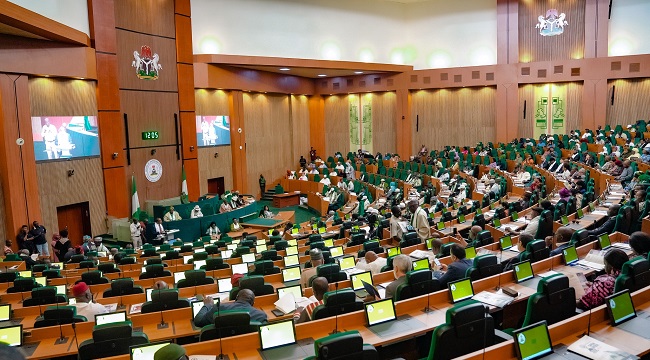
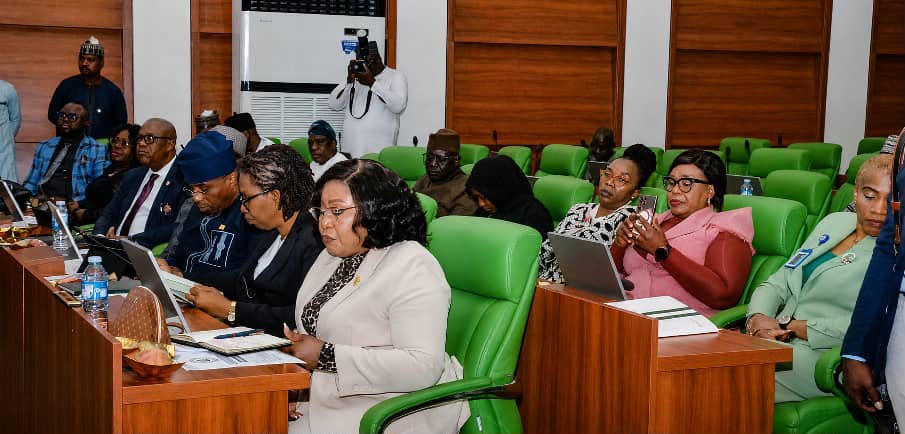
Walson-Jack made the admission while testifying before the House of Representatives Ad-hoc Committee investigating the activities of the PFIPC and the Presidential Economic Advisory Council (PEAC).
She told the committee that her office relied on a purported Establishment Act, Letter of Appointment and interactions with representatives of the PEAC/PFIPC before issuing an Authorised Establishment and, subsequently, a Recruitment Waiver.
“Our office received the Letter of Appointment and the Establishment Act and, based on those documents and our interaction with the representatives of the PEAC and PFIPC, we went on to issue the Authorised Establishment and later the Recruitment Waiver,” she said.
The HoS, however, acknowledged that her office should have subjected the documents to more rigorous scrutiny before granting the approvals.
“We now, having seen all the facts and examined all the documents, concede that we ought to have carried out more due diligence in the discharge of our duties before issuing the Authorised Establishment and Recruitment Waiver to the PEAC/PFIPC,” she admitted.
Explaining how the approvals came about, Walson-Jack said the existence of the Presidential Economic Advisory Council as an ad hoc body may have contributed to the confusion, as the documents presented to her office bore the names “PEAC/PFIPC.”
She noted that proper verification would likely have established whether the documents were authentic.
“We knew that PEAC existed as an ad hoc organisation, and the documents presented had PEAC/PFIPC. However, due diligence could have detected whether those documents were actually authentic,” she added.
The House committee, chaired by Rep. Yusuf Gagdi, is investigating the circumstances under which the PFIPC, which lawmakers have described as a non-existent government agency, allegedly secured official recognition, recruitment approvals and other government endorsements through forged documents.
The probe is part of an ongoing investigation into allegations of forgery, impersonation and abuse of government processes linked to the purported council.