Isaac Samuel
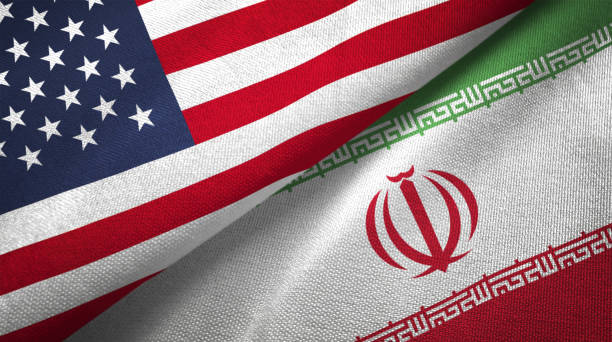
Fuel prices are expected to fall as the United States and Iran have agreed to a deal aimed at ending hostilities between the two countries, a development that is also expected to bring an end to the conflict between Israel and Iran, as well as Israeli military operations in Lebanon.
The agreement, reportedly brokered with the support of Pakistan and several Middle Eastern nations, would be signed in Geneva on Friday. It includes the full reopening of the Strait of Hormuz, one of the world’s most critical oil transit routes.
U.S. President Donald Trump announced the breakthrough late Sunday on his Truth Social platform.
“The deal with the Islamic Republic of Iran is now complete,” Trump said. “Ships of the world, start your engines. Let the oil flow!”
Iran’s Deputy Foreign Minister, Kazem Gharibabadi, also confirmed the agreement, noting that negotiations on a broader arrangement, including sanctions relief for Iran, would continue during the first 60 days of the deal’s implementation.
Pakistan’s Prime Minister, Shehbaz Sharif, disclosed that the agreement is expected to be formally signed in Switzerland on Friday, although President Trump had earlier indicated that the signing would take place on Sunday.
The conflict began on February 28 when the United States and Israel launched strikes on Iran. Tehran responded with attacks on Israel and U.S. interests across the Gulf region, while also closing the Strait of Hormuz, a strategic waterway through which roughly 20 per cent of global oil supplies are transported.
In response, the United States imposed a blockade on the strait, preventing vessels linked to Iran from transiting the route.
The disruption triggered a sharp rise in global crude oil prices, with ripple effects felt across several economies, including Nigeria. Countries such as India, the Philippines, members of the European Union and several African nations were forced to make economic adjustments as oil and petroleum products, including aviation fuel, became more expensive and, in some cases, scarce.
Under the new agreement, both sides have pledged to restore full access to the Strait of Hormuz. However, officials said reopening the waterway could take several days as efforts are made to clear or destroy any mines that may have been deployed during the conflict.
Analysts expect the deal to ease tensions in global energy markets and contribute to a gradual decline in crude oil prices, which surged above $100 per barrel during the conflict after trading at around $70 before hostilities erupted.