By Prof Emmanuel Ating Onwioduokit
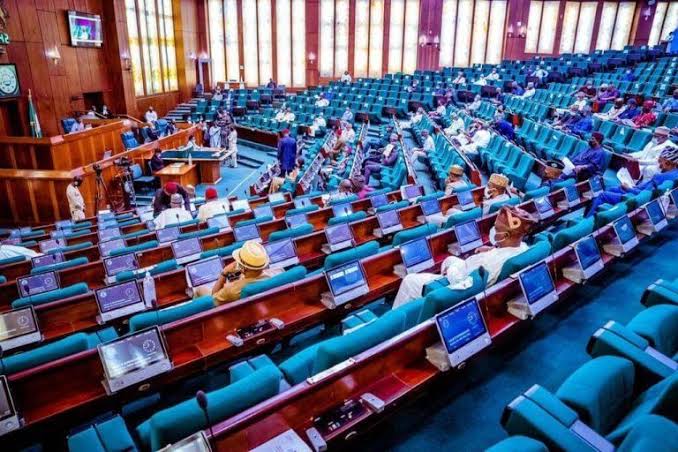
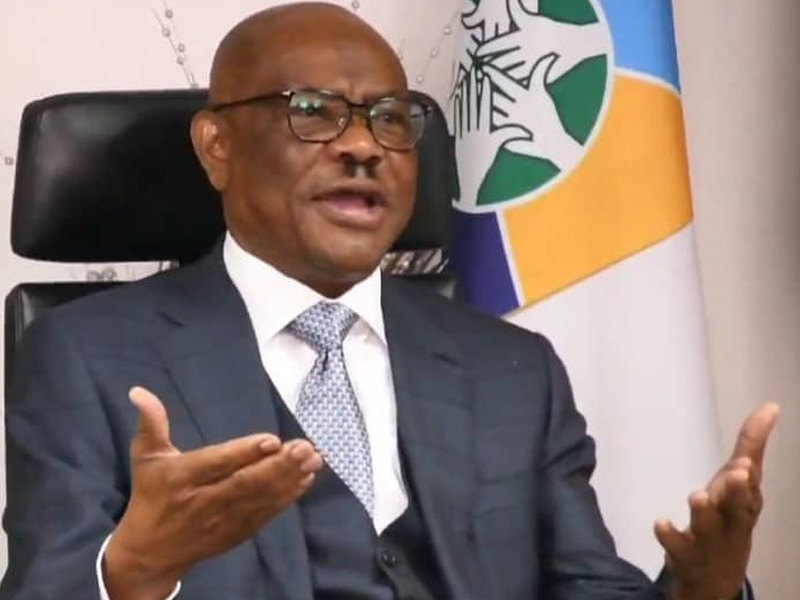
The announcement by the Minister of the Federal Capital Territory, Nyesom Wike, offering ₦10 million to every councillor who delivers his ward for President Bola Tinubu in the 2027 general election raises fundamental questions about the rule of law, public accountability, political morality and the integrity of Nigeria’s democracy.
It is difficult to understand the democratic philosophy behind such an announcement. Why should a government in office offer financial rewards to elected representatives for securing votes for its preferred candidate? What has happened to the principle that governments should seek electoral renewal through performance, accountability and the freely expressed will of the people?
The most important question is not even the promised reward. It is: WHERE IS THE ₦10 MILLION COMING FROM?
Is it Wike’s personal money? Is it party money? Is it coming from private political donors? Or is the money being drawn, directly or indirectly, from the resources of the Federal Capital Territory Administration? Nigerians deserve an unequivocal answer. A serving minister cannot make substantial financial commitments linked to electoral outcomes without questions about the source, purpose and accountability of the funds.
If the money is public revenue, the constitutional implications are particularly serious. Sections 80 and 81 of the 1999 Constitution establish the framework for the receipt, appropriation and expenditure of public funds. Public resources cannot be appropriated at the discretion of an individual public officer for political patronage. The FCT treasury is not a campaign account, and the office of minister does not confer personal ownership of public resources.
If, on the other hand, the money is privately sourced, Nigerians still deserve to know the identity of the financiers and the conditions attached to the proposed payments.
There is also a significant electoral law question. Section 121 of the Electoral Act 2022 prohibits corrupt gifts, promises and inducements intended to procure votes, whether directly or indirectly. The provision also addresses the procurement of electoral support through such inducements. Whether Wike’s announcement satisfies the legal elements of an offence requires investigation and proper legal determination. However, the fact that the proposed beneficiaries are councillors rather than individual voters does not automatically place the arrangement beyond scrutiny. The relevant authorities must establish its purpose and circumstances.
Beyond the legal question lies an even more disturbing democratic concern. What does it mean to deliver a ward? Do councillors own the votes of their constituents? Can an elected representative guarantee how thousands of independent citizens will vote? A councillor is elected to represent the people, not to exercise proprietary control over their political choices. Every eligible Nigerian has the constitutional right to vote freely and secretly. The ballot belongs to the voter, not to the councillor, minister or political party.
The moral implications are equally troubling. Nigeria is experiencing enormous economic and social pressures. Households are struggling with living costs, unemployment remains a serious concern, and communities continue to demand better schools, hospitals, roads and other essential services. In this environment, promising ₦10 million to political officeholders for delivering electoral outcomes raises legitimate questions about political priorities. Why should electoral loyalty attract substantial financial rewards when the ordinary citizens whose votes are being courted continue to demand basic necessities?
There is nothing wrong with political parties funding lawful campaigns, organising mobilisation and persuading voters. That is part of democratic competition. But financing legitimate campaign activities is fundamentally different from promising a substantial personal reward to an elected representative based on the electoral outcome of an entire ward. The distinction deserves careful legal and ethical examination.
More importantly, this announcement raises the danger of institutionalising political patronage. If councillors can be promised ₦10 million for delivering wards, what prevents other political actors from introducing competing financial incentives? Will future elections become competitions in financial inducement rather than contests of ideas, policies and performance? What happens to electoral credibility when political intermediaries are rewarded for outcomes they cannot legitimately guarantee?
INEC must not ignore this development. It should examine the announcement against the provisions of the Electoral Act and clarify the implications for electoral integrity. The EFCC and ICPC should also examine the source of the proposed funds if there are grounds to suspect misuse of public resources or other financial impropriety. These institutions must act impartially, without regard to political affiliations.
Ultimately, the question is simple: why should a government that has been in office seek to purchase electoral loyalty rather than earn public confidence through its performance? If the Tinubu administration believes it deserves another mandate, it should present its record to Nigerians and allow the electorate to make an independent judgment. Democracy is not an auction in which political officeholders negotiate the price of citizens’ votes.
Wike must answer the fundamental questions: Where is the money coming from? Who authorised it? Who will administer the payments? What constitutes delivering a ward? And what safeguards will protect the freedom of voters?
These are not partisan questions. They are questions of constitutional governance, public morality and democratic accountability.
A councillor does not own a ward, a minister does not own public money, and no political officeholder owns the votes of Nigerian citizens.
The 2027 election must be about the people’s choices, not the financial rewards available to those who claim they can deliver them. Nigeria cannot build a credible democracy by putting a price tag on political loyalty.
Prof Onwioduokit is a professor of Economics at the University of Uyo