By Olugbenga Williams
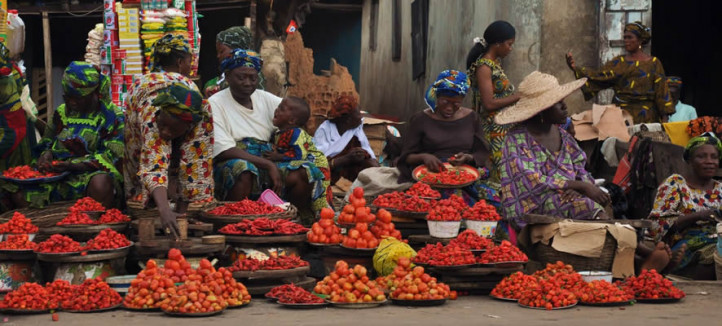
We have often heard how Aliko Dangote borrowed N500, 000 from his maternal grandfather in 1977 to begin his trading business from where he has grown to become Africa’s wealthiest man. It’s a story we have heard so often that we might be tempted to assume that it’s the only such inspiring account. But thousands of such efforts abound in many Nigerian markets across the country, evidencing Nigerians’ entrepreneurial skills, perseverance and doggedness. Until 2019, Bose Ogunlade was a petty trader in Wuse market – Abuja’s biggest business arcade – dealing in foodstuffs and sundry items. She started with a makeshift wooden tabletop with an initial capital of N200, 000, which she got from her uncle. Like many small traders, Bose utilized the traditional informal savings known as Esusu, contributing a fixed N2, 000 every single day, as her savings scheme.
By locking away part of her daily profits, she resisted the urge to spend on personal luxuries, preferring to delay such gratifications to a later day. After four years, her accumulated Esusu savings allowed her to rent a small shop and diversify into selling high-margin cooking utensils. But the new line of business required more capital. She secured her first micro loan of N1, 500,000 from a micro finance bank with which she purchased inventory directly from importers, instead of distributors. Her consistency, reliability and honesty also earned her trade credit from the importers. Bose also formally registered her trading business with CAC, opening doors to a formal business account. That was the beginning of Bostheque Global Enterprises.
With a big shop and growing inventory, Bose could no longer manage sales, logistics and bookkeeping alone. She attended a free financial literacy and digital marketing workshop hosted by an NGO supporting MSMEs. There she learned how to use digital inventory apps and management of staffs. She hired two young boys to handle deliveries and a sales girl to handle the foodstuffs trade which has also grown into a separate shop of its own. Her big break came in 2025 when she secured a N10 million loan from Access Bank with which she teamed up with her suppliers to import containers of various utensils. She was also able to acquire additional delivery van. ‘’I am now both a wholesaler and retailer, but I have not discarded my foodstuffs business’’, she told this writer. In all, she has six staffs, two of whom are apprentices.
Bose’s tenacity and determination to succeed against all odds is a proof that structured financial inclusion, savings discipline, business support and personal attributes can turn petty traders into job creators.
Every morning, millions of Nigerian women doing various businesses struggle to meet their customers’ deadlines, close deals and meet regulatory requirements and attend to family commitments as well. Interestingly, Nigeria has several support systems for women entrepreneurs. For instance, organizations like WIMBIZ (Women in Management, Business and Public Service) have spent resources trying to inspire and empower women to attain leadership positions in management, business and public service. Some banks also have their support for women entrepreneurs. For instance, Access Bank have dedicated funding and empowerment programmes specifically designed for women in business, specifically structured under its ‘’W’’ initiative.
Apart from lack of access to finance, MSMEs in Nigeria face problems of severe energy crisis, high operating costs, macroeconomic instability and weak purchasing power and weak internal management skills gap. According to SMEDAN, roughly 78% of small businesses cite power and energy as their largest operational bottleneck. Spiraling inflation lowers consumer purchasing power and Naira depreciation makes inventory planning unpredictable. PwC noted that over 50% of surveyed MSMEs reported a significant decline in product demand as consumers prioritizes basic feeding, leaving less disposable income for retail and luxury services.