By IKPAT UduakAbasi
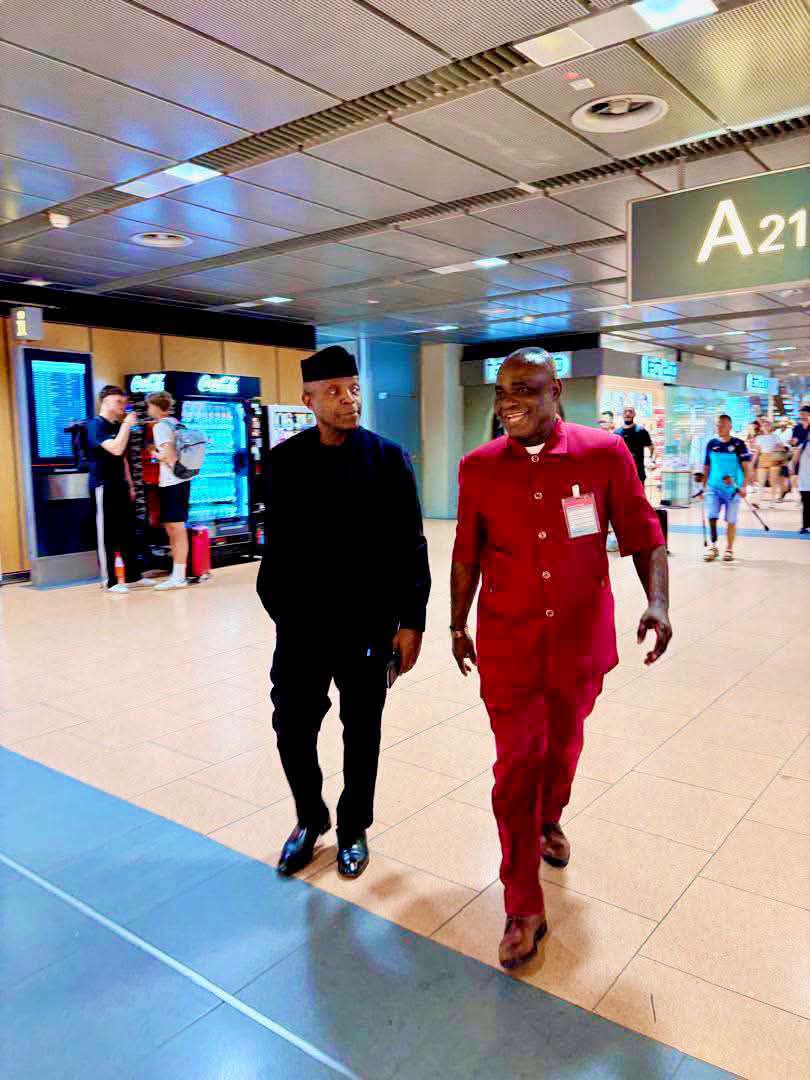
Nigeria’s diplomatic and policy influence was on full display in Germany at the weekend as His Excellency Professor Yemi Osinbajo, SAN, GCON, immediate past Vice President of Nigeria, met with His Excellency Senator Ita Enang, OFR, Nigeria’s Ambassador to Germany, alongside senior officials of the Nigerian Mission in Hamburg.
The engagement took place ahead of the 2026 Hamburg Sustainability Conference, where Nigeria is pressing for a new global development model that moves away from donor dependence and toward equity, investment, and technology-driven growth.
Sen. Enang hosted Professor Osinbajo on arrival in Hamburg. He was joined by officials of the Nigerian Mission in Germany for the reception.
The meeting sets the tone for Nigeria’s participation at the global summit and reinforces coordination between Abuja’s development agenda and Nigeria’s diplomatic mission in Berlin and Hamburg.
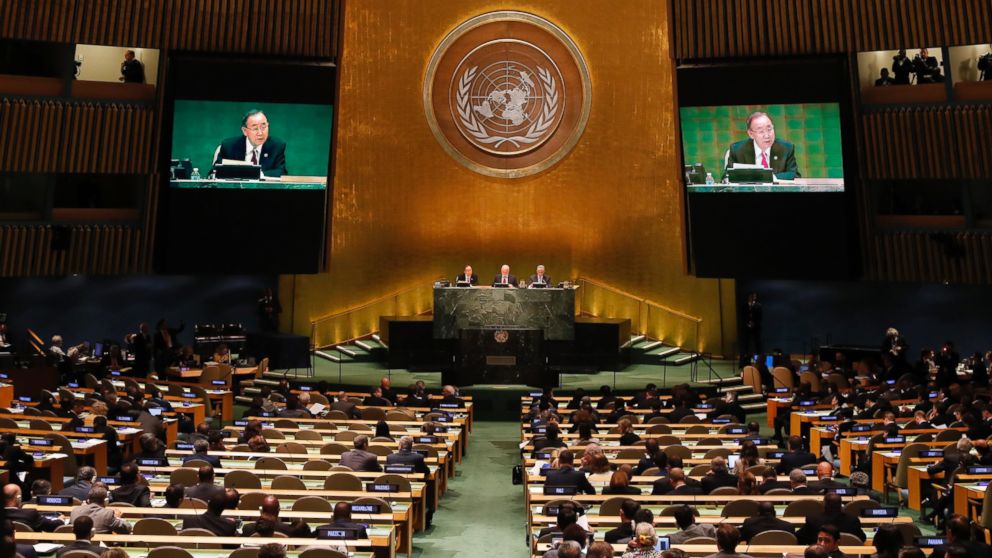
The Hamburg Sustainability Conference is convening from June 29 to June 30, 2026, bringing together heads of state, ministers, multilateral agencies, development finance institutions, civil society, and private sector leaders.
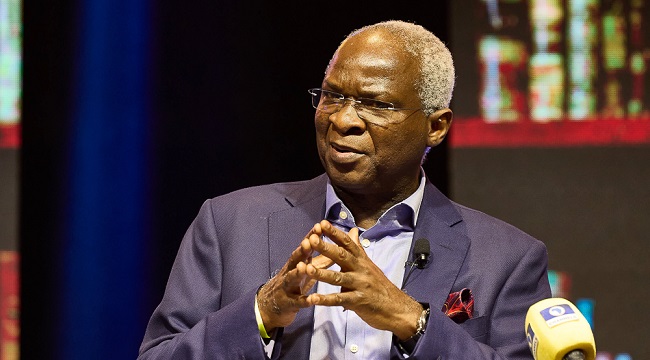
Prof. Osinbajo is attending the conference in his role as Co-Chair of the Future of Development Cooperation Coalition, a global platform created to reshape how development cooperation works in the 21st century.
The Coalition’s core objective is to redefine international development cooperation beyond the traditional aid-dependent model. It advocates for partnerships anchored on trade, investment flows, technology transfer, climate finance, and South-South collaboration, rather than one-way grants and concessional aid.
As Co-Chair, Professor Osinbajo is expected to lead conversations on policy shifts, financing instruments, and accountability frameworks that will make development cooperation more predictable, dignified, and results-based for countries like Nigeria.
The Hamburg discussions come at a pivotal moment. Several developed countries have signaled or implemented reductions in development assistance to developing and emerging economies, citing domestic budget pressures, geopolitical realignments, and competing priorities at home.
For Nigeria, Africa’s largest economy, the trend exposes vulnerabilities in sectors that have historically relied on donor funding — health systems, education, climate adaptation, and infrastructure. It also creates an opening to negotiate a more balanced framework that emphasizes investment, technology, and mutual benefit over charity.
Senator Ita Enang’s role is to anchor these policy conversations in diplomacy and economic ties. With Germany as a key partner on renewable energy, vocational training, and industrial cooperation, the Ambassador-Designate is expected to deepen bilateral engagement that translates global talks into tangible projects for Nigeria.
Analysts describe the Osinbajo-Enang engagement as a signal of intent: Nigeria is positioning itself not as a passive aid recipient, but as an architect of the next development compact.
Professor Osinbajo and Senator Enang are expected to brief the Federal Government on outcomes, partnerships, and Nigeria’s next steps following the summit.