By ETIM ETIM
To mark Gov. Umo Eno’s third anniversary in office, his Commissioner for Information, Aniekan Umanah, and the entire cabinet organized a press conference in the Government House Banquet Hall on Saturday, May 30. It was essentially meant to showcase the administration’s landmark achievements, but it turned out to be a lesson on the importance of effective communication as a tool for effective leadership. On the second anniversary last year, the governor himself took questions for about three hours from a panel of journalists that included me. This year, he stayed away and allowed his commissioners to take charge. Not a bad idea as it is advisable for the chief executive to occasionally step back and allow his team into the driver’s seat. Over 300 journalists attended.
The event commenced with a brief introductory remarks by the Governor’s Press Secretary, Ekerete Udoh, and was followed by a lengthy address by Umanah. It contained everything the governor has done in the last three years themed into his five-point ARISE Agenda. It was quite a comprehensive briefing and Umana’s skillful delivery made the session interesting. But trouble arose during the question and answer session. Over 15 questions were asked and it was Umanah’s responsibility, as the chief moderator, to identify the relevant government official to answer them. It was an opportune moment for the commissioners to show leadership and demonstrate a good grasp of their job, but some fell below expectations.
The first question was on the menace of cattle roaming the streets and destroying farmlands despite the existence of a law that criminalizes that. The journalist wanted to know what is being done to curtain the activities of herders. The Commissioner for Internal Security & Waterways, Brig. Gen Koko Essien (rtd), was asked to address the question. The first statement that Gen. Essien made as soon as he took the microphone was that the anti-open grazing law in the state does not stop cows from wandering around in the streets of Akwa Ibom. He did not however say what is in the law and how it has achieved its purpose. That got the journalists riled up and elicited murmurs from the floor. Ruffled by the reaction of the audience, Gen. Essien said that there’s a task force in place to check the problem. He then gave out a hotline the public could call if a farmland is invaded by roaming cattle.
Commissioner for Agriculture, Dr (Mrs) Offiong Offor added to the confusion when she said that in some cases information received from the public on farmland invasion turn out to be a hoax. It didn’t go down well with the audience. Roaming cattle and their herders constitute a major cause of insecurity in the country. Officials should be well prepared to provide convincing answers to questions on the matter.
The next questions were on mounting refuse heaps and presence of mentally ill persons in the streets of Uyo. These are questions I had planned to ask right from when I received the invitation for the press conference. The head of Akwa Ibom State Environmental Protection and Waste Management Agency (AKWASEPA), Prince Ikim and Commissioner for Women Affairs and Social Welfare, Mrs Ini Adiakpna, took the questions. I was surprised that Ikim could not offer a coherent answer on refuse disposal although he has been on the job for over 10 years! I am aware of the huge investments of the government in waste management and Ikim’s hard work and dedication, but his lackluster performance in answering the question got me thinking about the importance of effective communication skills in management and leadership, and why senior officials should receive training in this area regularly. Again, there were murmurs from the floor.
On the problem of roaming lunatics, Mrs Adiakpan said the approach is to round up these people and send them to the psychiatry hospital, although some of them are not even from Akwa Ibom State. ‘’Some of them have been treated in our psychiatry hospitals and released to their families, but more often than not, they soon returned to the streets’’, the commissioner said in an obvious exasperation, wondering why families cannot take care of their mentally sick members. I raised my hand to make a point. I wanted to suggest that the government should build an asylum to accommodate these people. It is so disturbing to see naked mad people roaming the streets. The journalist who asked the question mentioned an incident in which he was walking his minor children to school one morning and they suddenly came upon a naked male lunatic.
The fourth question was on the problem of out-of-school children. The young professor of History who serves as Commissioner for Education, Ubong Essien Umoh, took the microphone. I have participated in a webinar with him last year, and I have a good impression of him; and because I have many professors as a brother and friends, I take one seriously when they speak. Prof Umoh said the state has a 3.5% out-of-school children, far better than the 34% national average. But the commissioner did not articulate any thoughts on how the government intends to get more kids out of the streets into the classroom despite the longstanding free education policy in the state. In 2024, I called the then Commissioner for Information, Ini Ememobong, and reported the case of a man who has refused to send his children to school, despite all my entreaties. Ememobong later told me that he had forwarded my complaint to then-Commissioner for Education and that a team from the Education Ministry had visited the man. I was happy. But I can report here that the children are still at home, wandering around the neighbourhood during school hours. The Education ministry should also set up a hotline to receive reports of parents and guardians who do not send their wards to school.
There were other questions on agriculture and poor electricity supply in the state. Epileptic electricity supply is a national problem, but Akwa Ibom people have been quite strident in their complaints. Businesses and households are enduring huge losses, and the fact that the state was among the first to establish a state-owned power plant over 20 years ago make the experience all the more jarring. Commissioner for Power & Petroleum Development, Iniobong Robson (or Robinson) took time to give a long answer, laying out the historical context to the problem and what the governor was doing to address it. He was quite articulate and knowledgeable, but the journalists were too impatient to hear him out.
The point is that the government has made an enabling law that governs electricity generation and distribution in the state. Last year, the government organized a summit to distill ideas and proposals on how best to manage the business. A regulatory agency has also been established, members hired and the government is at the verge of commissioning an audit of assets and liabilities of the electricity market in the state. A lot more work needs to be done before the sector is well established. A lot of credit should go to President Tinubu for decentralizing the industry and signing the law that now empowers state governments to own electricity businesses. What really stopped from previous presidents from doing this?
The Commissioner for Works & Fire Service, Prof. Eno James Ibanga, demonstrated a full understanding of his portfolio when a question on roads and infrastructure came up. Not surprising, he is a former Vice chancellor of the state-owned university and is one of the longest serving cabinet members, having been Commissioner for Works since August 2020. He said the Eno administration has spent N743 billion on road projects since 2023 and N5.4 billion to provide solar-powered street lights. Solar powered lighting has saved the state the N200 million monthly expenditure on diesel to fuel generators used previously to power street lights. This was music to the journalists’ ears. We love have facts and figures to demonstrate performance. Prof Ibanga took a long time to make his point, mentioning number of potholes filled this year and repair works the government has done. People were nodding and clapping because the evidence on the streets bears that out. Akwa Ibom has some of the best road networks in the country.
After Prof. Ibanga, the moderator (Commissioner for Information) asked the head of the waste management agency, Prince Ikim, to return to the podium to add more flesh to his earlier answer. It was clear that the officials were not impressed with his initial answer to the question of mounting refuse heaps and government funding to his agency. Ikim was now bolder and more audacious, announcing that the Eno administration had increased funding to his agency from N122 million to N350 million (but he did not say whether this was a monthly or yearly subvention. I guess that it’s the former).
It was now 4.35pm – two hour after the press conference started, and suddenly Gov. Eno emerged from a side door all alone by himself, dressed in a pair of black pants and ARISE branded shirt, and walked gingerly into the hall. He quickly grabbed the microphone and went up to the podium. Eno expressed surprised at the inability of some commissioners to speak eloquently, boldly and audaciously about the administration’s achievements. He was particularly unhappy with Ikim’s answer to the question of whether funding to his agency has improved. If Gov. Eno were a brash leader, he would have fired Ikim right there.
The press conference then took a different turn and it was clear that the chief executive was now in the saddle. Eno said he’d been monitoring proceedings and has been impressed with the quality of probing questions, but disappointed that the answers were not detailed. He spoke on a wide range of issues, demonstating that he’s a hands on leader. He said his administration has made huge expenditures on wastes management and that the government is looking for recycling experts to partner with the government on waste management. He has constructed 1,358 kilometers of road in the state since he took office and eliminated 2,000 ghost workers from the payroll. Just recently, he approved investment of N16.5 billion for the recapitalization of Anchor Insurance Company to avoid its liquidation. On Ibom Power Company, his administration has been paying about $500,000 to AFRIEXIM Bank to liquidate a longstanding loan taken by a previous administration. Internally generated revenue has jumped from N3 billion to N12 billion monthly after he introduced TSA (Treasury Single Account) to track revenues and plug leakages.
The governor concluded by appealing to journalists to stick to the ideals of good journalism that abhors falsehood and sensationalism. He would always take steps to protect his person, if a false and damaging publication is made against him. He mentioned the case of a blogger who is being tried in the law court for writing falsehood against him, and said he would consider a pardon if she had apologized.
An important lesson from yesterday’s press conference is the need for leaders and their teams to develop good communication as a tool in management. Good communication gets citizens informed and aligned with the government; builds trust and morale; elicits feedbacks; averts conflicts and makes execution of policies easier.
Happy Third Anniversary, Governor.
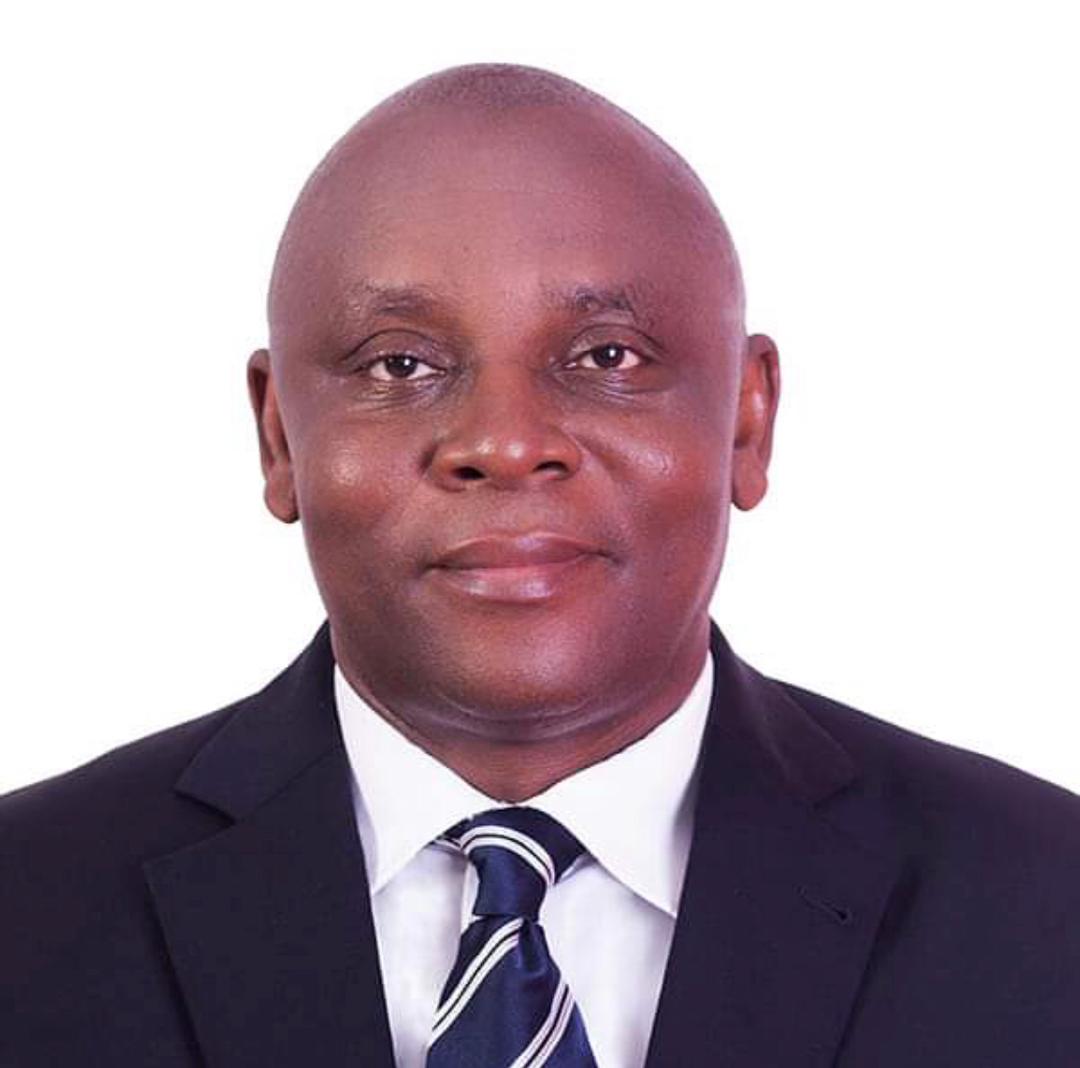
ETIM ETIM is a veteran journalist and PR professional with over 35 years of cognate experience.
He is the publisher and editor-in-chief of Policy & Politics (www.policyandpolitics.com.ng), an online newspaper dedicated to insightful analysis of Nigerian news and world’s report. He is also a columnist with BusinessDay and The Cable and is a regular contributor to other newspapers.
Contact: +234802 3159969 (WhatsApp Only)