****Demands mandatory screening at all entry points, stronger surveillance
Isaac Samuel
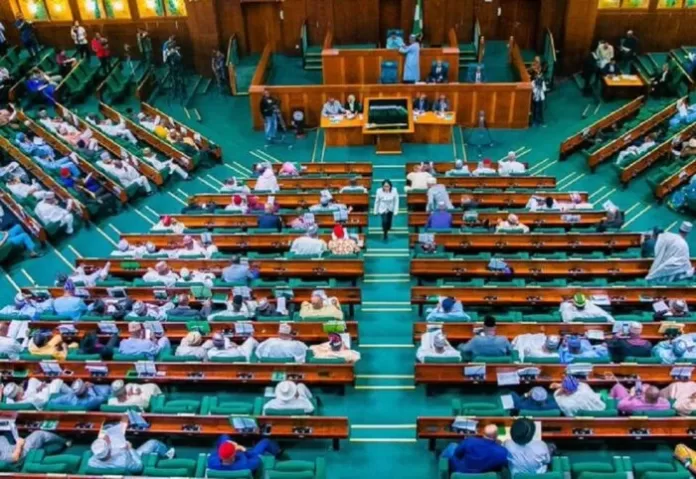
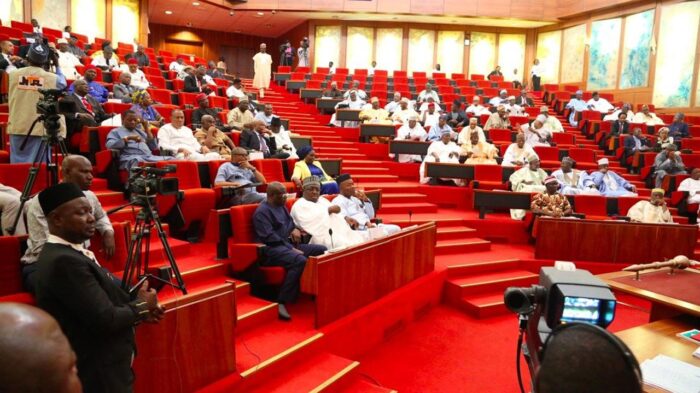
Both chambers of the National Assembly have urged the Federal Government to urgently release emergency funds to strengthen Nigeria’s preparedness and response to Ebola following the confirmation of a case in Abuja.
While the House of Representatives called for the immediate release of outstanding appropriated funds to relevant health agencies, the Senate urged the government to provide emergency funding from the Service-Wide Vote to strengthen disease surveillance and prevent further spread of the virus.
The lawmakers also called for mandatory health screening at all international airports, seaports and designated land borders, alongside improved surveillance, contact tracing and emergency medical preparedness.
The resolutions followed separate motions considered by the two chambers on Wednesday, a day after the Federal Government confirmed an Ebola case involving a woman who arrived in Nigeria from Uganda.
The patient is receiving treatment in isolation at a private hospital in Abuja, while health authorities have identified 44 contacts for monitoring as part of efforts to contain the infection.
At the House of Representatives, the motion was sponsored by Amobi Ogah, representing Isuikwuato/Umunneochi Federal Constituency of Abia State.
Ogah warned that delays in detecting suspected cases, conducting laboratory investigations, isolating infected persons and tracing contacts could increase the risk of transmission and put additional pressure on the country’s healthcare system.
He expressed concern that inadequate public awareness, shortages of infection prevention and control supplies, gaps in healthcare workers’ preparedness and limited emergency response capacity could undermine efforts to contain the disease.
The House consequently urged the Federal Government to mobilise public and private health institutions, as well as state and federal agencies, to strengthen preventive measures and emergency response.
It also called on the Federal Ministry of Health and Social Welfare and the Nigeria Centre for Disease Control and Prevention (NCDC) to assess the funding required to improve the country’s preparedness in line with current epidemiological evidence and public health guidance.
The House mandated its Committee on Infectious Diseases to engage relevant ministries, departments, agencies and public health institutions to obtain updates on the Ebola situation and report back for further legislative action.
At the Senate, the motion was sponsored by Senator Francis Faduyile, representing Ondo South Senatorial District.
The upper chamber urged the Federal Ministry of Health and Social Welfare, the NCDC and Port Health Services to make screening compulsory for all arriving international passengers, irrespective of nationality or country of departure.
The proposed measures include health declaration forms, temperature checks and symptom assessments, with enhanced screening for travellers who have visited or transited through affected areas within the preceding 21 days.
The Senate also called for exit screening for departing passengers during declared public health emergencies.
It urged the Federal Ministry of Health and Social Welfare, the Federal Airports Authority of Nigeria and the Nigeria Immigration Service to ensure that all entry points were adequately staffed with trained Port Health officers and equipped with thermal scanners, protective equipment and isolation facilities.
The lawmakers further urged the Federal Government to ensure that isolation and treatment centres were adequately prepared across the 36 states and the Federal Capital Territory.
The Senate also called for the replacement of the Quarantine Act of 1926 with a modern public health law aligned with the International Health Regulations of 2005.
During debate on the motion, lawmakers raised concerns about gaps in screening arrangements, inadequate staffing and equipment at some entry points, and the risk of infected travellers entering Nigeria through third countries.
The Senate also urged the relevant ministries to provide adequate funding for the NCDC and Port Health Services in the 2027 budget and release outstanding funds to support their operations.
The upper chamber, however, rejected a proposal for senators to visit the country’s major entry points to assess screening arrangements, following concerns raised during deliberations about the potential risk of exposure to the virus.
The renewed calls for funding and stronger border surveillance come amid the spread of the Bundibugyo strain of Ebola in parts of Central and East Africa.
Nigeria previously recorded an Ebola outbreak in 2014 after an infected traveller arrived in Lagos. Authorities contained the outbreak through contact tracing, isolation, surveillance and coordinated public health interventions.
Ebola is transmitted through direct contact with the blood or other bodily fluids of an infected person who is symptomatic, or contaminated materials. Early detection, isolation, contact tracing and strict infection prevention measures remain critical to preventing further transmission.