Isaac Samuel
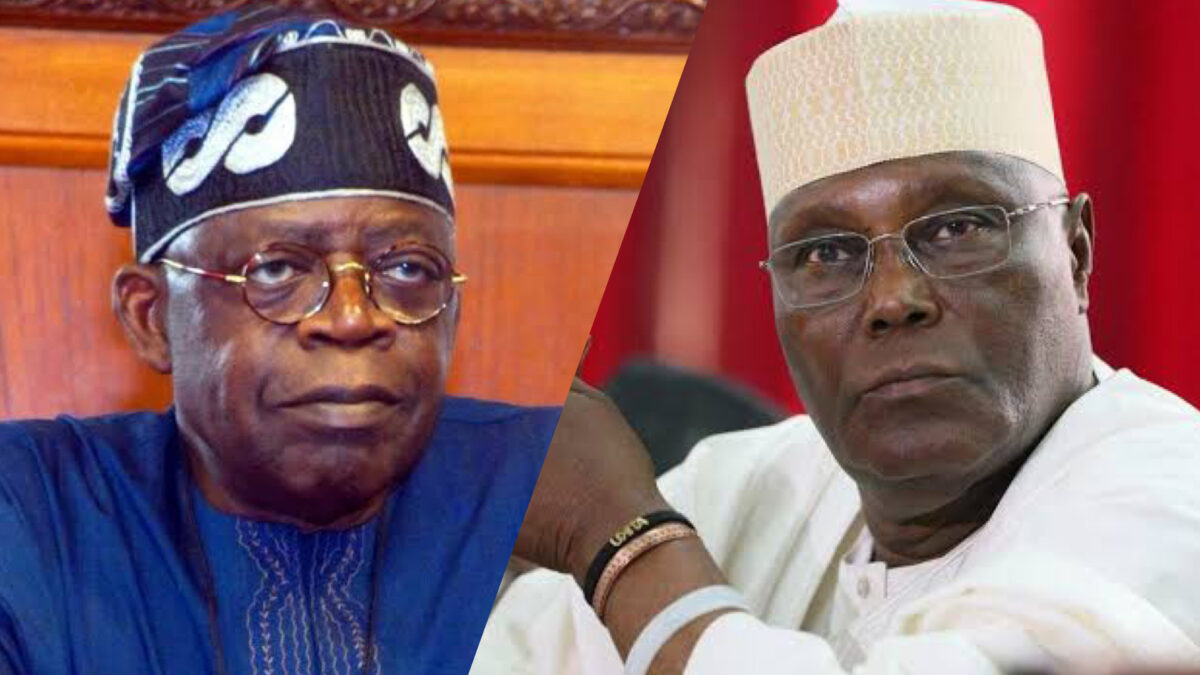
Former Vice President and presidential candidate of the African Democratic Congress, Atiku Abubakar, has accused the President Bola Tinubu administration of using the newly announced 30-day petrol discount as an election gimmick ahead of the 2027 general elections.
Atiku, in a statement issued on Thursday by the Director of Strategic Communication of the ADC Presidential Campaign Council, Phrank Shaibu, described the initiative as a temporary measure that could not address the hardship caused by high petrol prices and rising transportation and food costs.
The Federal Government had announced that petrol sold through Nigerian National Petroleum Company Limited stations would be discounted for 30 days, with public transport operators given priority.
The Minister of Finance and Coordinating Minister of the Economy, Taiwo Oyedele, said the arrangement was not a return to petrol subsidy, but a measure that would allow NNPC to sell petrol at a lower cost.
However, Atiku questioned the sustainability of the intervention, arguing that Nigerians would continue to face high prices once the 30-day period expires.
“Atiku totally rejects this calendar-scheduled, election-laced subsidy package. Nigerians are not fools to be offered a month of discounted fuel after years of punishing prices and then expected to forget the hardship when the discount expires.
“This is shameless and heartless,” Shaibu quoted him as saying.
The former Vice President asked what would happen after the intervention, saying Nigerians would still be confronted with high petrol prices, transportation fares and food costs.
“What happens on Day 31? Nigerians wake up to the same brutal prices, the same punishing transport fares and the same rising cost of food.
“The government cannot manufacture relief for one month and expect Nigerians to applaud while the hardship remains,” he said.
Atiku faulted the government for failing to state how much motorists would save per litre under the arrangement.
He questioned whether the savings given to public transport operators would translate into lower fares for commuters, saying the government had not provided sufficient guarantees to ensure that the benefit would be passed on to passengers.
The ADC candidate further argued that the latest intervention validated his proposal for production support tied to petrol refined locally.
“This volte-face proves that the production-support proposal I have advanced is workable, achievable and not complicated,” Atiku said.
“The Tinubu government and its spin doctors have tried to make it sound impossible, yet they are now reaching for a temporary subsidy-style intervention because the pain has become impossible to ignore.”
Atiku said his proposal involved capped and budgeted production support for locally refined petrol, with safeguards to protect consumers while encouraging domestic refining.
“Nigerians need lasting relief, not a countdown to the return of hardship. Tinubu’s government cannot spend years telling Nigerians to endure, then offer 30 days of relief and call it a solution,” he said.
He reiterated his promise to reduce the cost of living if elected in 2027, saying, “Tinubu made life expensive. I will make life affordable again.”
The Tinubu administration removed the petrol subsidy shortly after assuming office in May 2023, triggering a sharp increase in petrol and transportation costs.
The government has maintained that the policy was necessary to reduce fiscal pressure and redirect public resources, while critics have continued to cite its impact on household expenses.
The latest fuel intervention comes as political parties intensify preparations for the 2027 elections, with petrol prices, inflation, transportation costs and the broader cost of living expected to feature prominently in political campaigns.
The Federal Government has also proposed a price-modulation mechanism aimed at keeping petrol landing or ex-gantry costs around N1,350 per litre, with refiners and importers expected to absorb temporary increases and recover the difference later.
The government maintains that the arrangement is neither a subsidy nor conventional price control.