By ETIM ETIM
According to Nigerian Investment Promotion Council (NIPC) and estimates from WHO, Nigerians spend between a billion dollars and $2 billion (between N1.35 trillion and N2.7 trillion) to seek medical treatment in foreign countries. Data from the CBN indicates that official foreign exchange outbound allocations for medical-related travels rose to $684.72 million in 2024, an increase from $643.15 million from the previous year. Some analysis indicate that total spending is much higher than the CBN figures. Many elite and middle class citizens fund their treatments through various independent sources and corporate sponsorships which are not captured in CBN data, thus pushing total estimates to the $2 billion mark. It’s a huge untapped goldmine that Akwa Ibom State government wants to play in.
There are various reasons that encourage medical tourism from Nigeria. Most medical tourists seek complex treatments for diseases like cancer, kidney diseases and cardiovascular problems that lack adequate local management. Our hospitals suffer from a severe shortage of functional high-end diagnostic machines and operational medical reagents. Nigeria has lost over half of its domestically trained medical professionals to the UK, US, Canada, and Saudi Arabia, severely understaffing local hospitals. Prolonged healthcare strikes, frequent misdiagnoses, and public health infrastructure shocks lead wealthy citizens to seek care where standards feel guaranteed.
Among the countries most visited by Nigerians seeking advanced medical care are India, UK; Germany and UAE. India is the most preferred destination for complex surgeries, oncology, and transplants due to cheaper relative costs. UK is often preferred by senior government officials, including presidents and governors for routine checkups and specialized procedures, while Germany and UAE visited for highly advanced diagnostic screenings and complex orthopedic interventions.
The massive capital flight has triggered private interventions to build domestic capacity. Initiatives like the Modupe and Folorunso Alakija Medical Research Hospital and the African Medical Centre of Excellence (AMCE) backed by Afreximbank) aim to keep these billions within the Nigerian economy by bringing world-class healthcare home. Folorunsho Alakija is the wealthiest Nigerian woman whom I mentioned in my article last week on the high-end luxury Lagos property market. Last year, she donated a 250-bed hospital, located in Osun State University, Osogbo, to the university. It includes 20 clinical and non-clinical departments, four operating theatres and 16 intensive care units (ICUs). The 170-bed AMCE, a $300 million multi-specialty medical institution, built in Abuja and supported by Afreximbank, is in clinical partnership with Kings College Hospital, London. There are plans to expand it to 500 beds in future.
AMCE is expected to treat 200,000 patients in Nigeria and 150,000 from neighbpouring West African countries in its first five years. The hospital focuses narrowly on three critical disease types, alongside advanced diagnostic and surgical capabilities: oncology; cardiovascular services and haematology. Other medical facilities in Lagos that offer advanced care for Nigerian patients include Reddington Hospital, Victoria Island and Duchess International hospital in Ikeja. The Duchess came to national attention on July 16, 2022, when then Vice President Yemi Osinbajo was admitted there to treat a fracture on his femur (thigh bone) which was linked to recurring squash game injury. Zenith Medical & Kidney Centre in Abuja is renowned for performing hundreds of complex procedures yearly. My friend who had a kidney transplant there almost a decade ago is still doing fine.
Akwa Ibom State government is the latest entrant into the lucrative upper-class medical care business – one of the few markets where demand is largely inelastic. The government is building a 350-bed facility that will focus on oncology, cardiovascular diseases; haematology and 60 other medical specialties. It will also offer medical research and training. The government hopes to capture at least $50 million of the $2 billion spent by Nigerians seeking help overseas.
A unique feature of the Ibom International Hospital (IIH), as the facility is known, is that it is located in a 20-kilometer stretch of land described as medical corridor. The corridor will also house pharmaceutical manufacturers; wellness and recreational centers and residential accommodation. An elderly home has already been built.
Akwa Ibom is thus the first state in Nigeria to invest in the high-end medical business, just as it is the first state to establish an airline and the first state to go into the Lagos luxury property market. Gov. Umo Eno says the hospital is part of his vision to build a tourism industry in the state, noting that the 350-bed medical facility is ‘’designed to drastically reduce medical tourism by providing technologically advanced, patient-centered healthcare services comparable to international standards’’. It would be financially self-sustaining in the long term, the governor assured in a speech at a ceremony last Tuesday during which construction was formally launched. It is expected to open for business next year.
Reversing Nigeria’s medical tourism – which costs an estimated $2 billion annually – requires a great deal of work, and this includes building public trust, retaining medical talent and massive investments in medical facilities and incentives that encourage Nigerian medical professionals in Diaspora to return home. In the last few years, Nigeria has been recording certain types of reverse medical tourism in which foreign patients come into the country from Europe and Us for specialized, high-end procedures. The inflow centres around specific niches like kidney transplants at Zenith Medical & Kidney Centre in Abuja; IVF fertility treatment (many Nigerian clinics offering IVF fertility services have achieved international certifications, drawing clients from West African countries) and neuroscience and complex surgery at centres like Brain & Spine Surgery. A relative of mine had a successful spine surgery some years ago at this facility. African Medical Centre of Excellence and MedServe (in partnership with foreign medical centres) continue to draw highly skilled Nigerian medical professionals back into the country.
To compete in such a rarified market, I would recommend that Akwa Ibom government hand over IIH to a consortium of specialists from the state in Diaspora to manage. This is not the type of business civil servants can run.
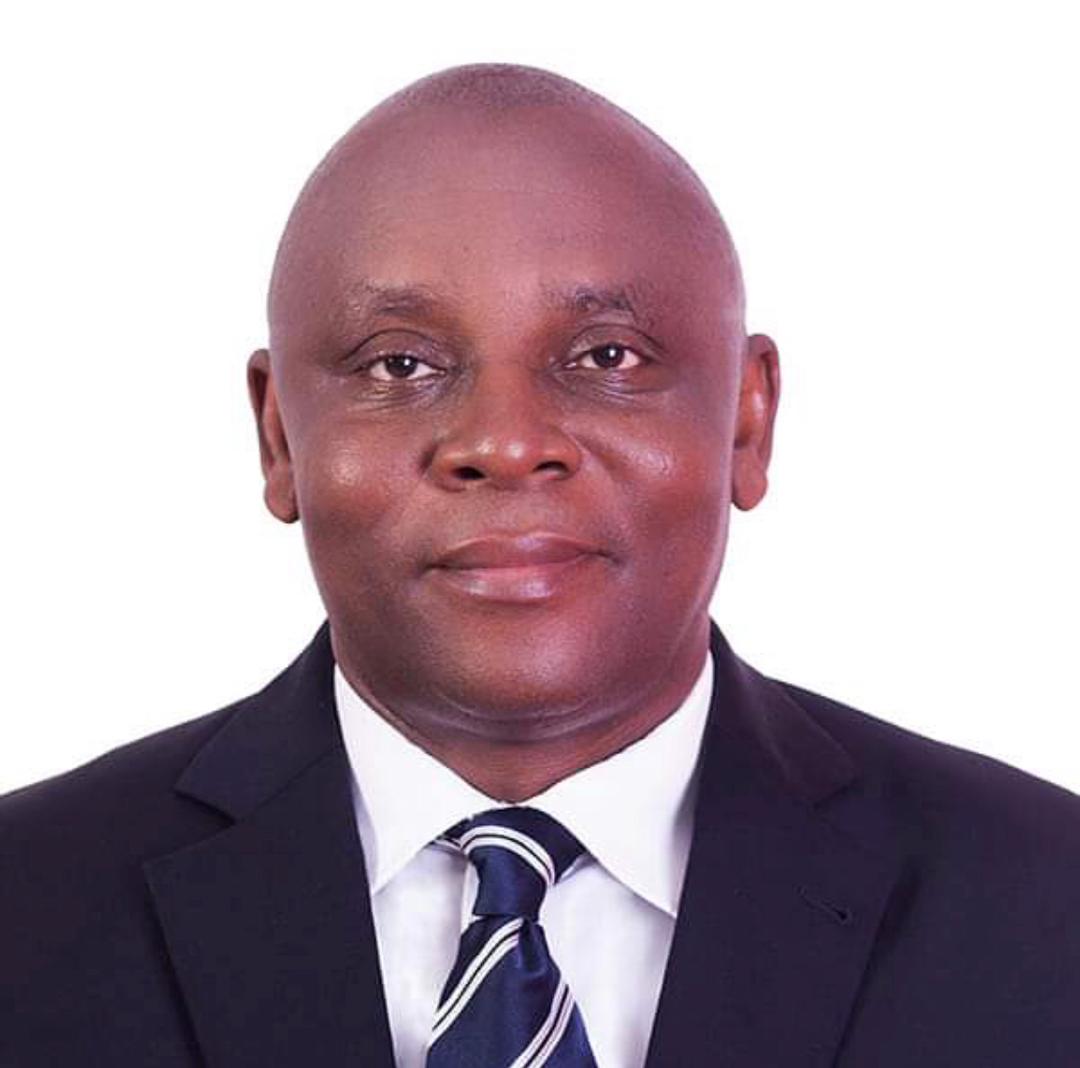
ETIM ETIM is a veteran journalist and PR professional with over 35 years of cognate experience.
He is the publisher and editor-in-chief of Policy & Politics (www.policyandpolitics.com.ng), an online newspaper dedicated to insightful analysis of Nigerian news and world’s report. He is also a columnist with BusinessDay and The Cable and is a regular contributor to other newspapers.
Contact: +234802 3159969 (WhatsApp Only)