By ETIM ETIM
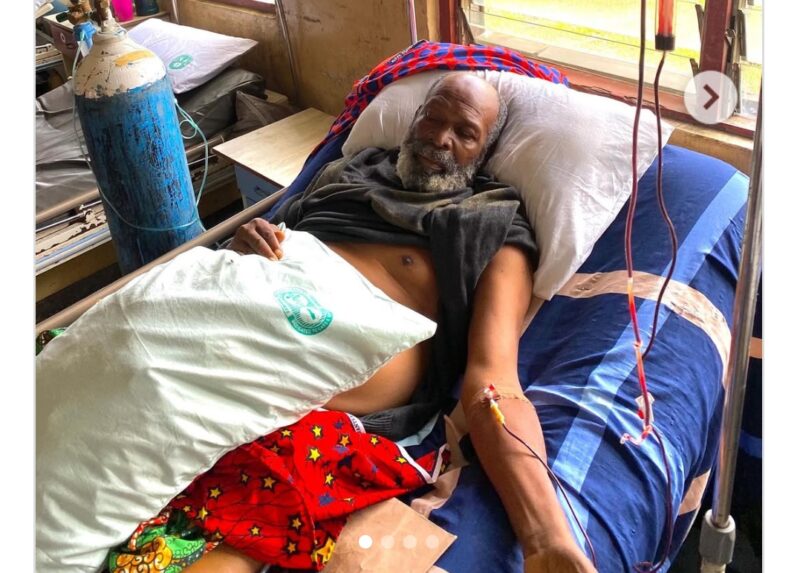
A prominent activist who delivered the keynote speech at the launch of my book over three years ago has recently been diagnosed with prostate cancer. He’s battling for his life in a hospital. Two years ago, I lost another friend and political associate as he underwent a procedure to treat an enlarged prostate gland. Last year, a former senator lost his life to prostate cancer. His last few years on earth were miserable as he had to deal with the embarrassment of urine incontinence. I know of a few prominent citizens who have been managing prostrate-related conditions silently in agony and misery. Prostrate ailment is a big health issue in men of a certain age range. The condition comes with economic, sexual and psychological implications and could be very painful to the sufferer and financially draining to the family. If you are aged 45 and above, and you are a man, it is important that you listen to your doctor on how to take care of your prostrate-related health issues. The earlier you began the conversation, the better. On this occasion of the 2026 Fathers’ Day, I will like to discuss prostrate condition as an important issue that relates to men’s health.
According to doctors I have spoken to and health literature I have read, the prostate is a small gland, but the problems it can cause when neglected are anything but small. It sits just below the bladder and in front of the rectum. Its main job is to make fluid that mixes with sperm to make semen. It is the fluid that helps sperm to move and survive the long journey it takes. Prostrate is tiny in size in childhood, grows during puberty and can keep enlarging as men get older. As men grow older—especially from age 40 and above—the prostate naturally enlarges. Prostate enlargement may be normal (it is known as benign prostatic hyperplasia (BPH), but there may be dangers lurking because, in some cases, enlargement could be triggered by conditions such as infection and inflammation of the prostrate (that is called prostatitis) and prostate cancer. So, although the enlargement of the prostate gland occurs naturally as we grow older, it could also be due to infection and cancer. Doctors are well trained to tell which is which. I have had extensive discussions with my internal medicine specialists and urologists on this matter, but I am not an expert on it and I don’t claim to be one. I have only been a teacher, banker and journalist all of my life!
The good news is that with awareness, early detection, and healthy lifestyle habits, these conditions can be managed effectively—and, in many cases, prevented.
Prostate cancer is one of the most common cancers among men globally. Many men often do not notice symptoms early because the disease can grow silently. When detected late, treatment becomes more difficult. But when detected early, the chances of successful treatment are very high. Common warning signs include: Frequent urination, especially at night; difficulty starting or stopping urination; Weak urine flow; blood in urine or semen and lower back or pelvic pain. If you or anyone you know experiences these symptoms, it is important to see a qualified healthcare professional. Men aged 40–50 should begin routine prostate checks, especially those with a family history of prostate cancer. Screening through the PSA blood test and prostate examination is simple, fast, and can be lifesaving. Remember, getting tested does not mean something is wrong. It means you are taking responsibility for your health.
Many men suffer in silence due to fear, embarrassment, or cultural beliefs. While the society lays more emphasis on women and children issues, men suffer neglect and continue to suffer alone. Yet, we are the bread winners and providers to the family. It is important that men learn to speak up and confide in their doctors and friends. Every man should speak up, ask questions, and seek medical help when needed. There is no shame in taking care of your health. Let us encourage our fathers, brothers, husbands, uncles, and friends to prioritize prostate screening. Prostate diseases are not a death sentence—late detection is. Together, let us build a community where men value their health, take bold steps to seek help, and live long, productive lives. I should suggest to men that instead of asking your friends in the morning: How was your Night? It is better to ask: How is your prostate?
Worried by the impacts of prostrate illness on men’s health, one of my family doctors who is also a good friend, Dr. Ita Udosen, has teamed up with other medical doctors, some of whom are urologists, to set up an NGO known as Lifegate Prostrate Care Foundation (LPCF), to raise awareness on the problems of prostrate cancer and related health matters in Nigeria. It is a novel initiative for men’s health that aims to empower men with knowledge, encourage regular prostrate screening and care. It will also support research that advances early prostrate disease detection, diagnosis and ensure better treatment outcome. The NGO would be formally launched in Uyo on July 15. I commend Dr. Udosen and his colleagues on their enterprise and hope that they will help to generate enough awareness that would lead to improvement in men’s health.

ETIM ETIM is a veteran journalist and PR professional with over 35 years of cognate experience.
He is the publisher and editor-in-chief of Policy & Politics (www.policyandpolitics.com.ng), an online newspaper dedicated to insightful analysis of Nigerian news and world’s report. He is also a columnist with BusinessDay and The Cable and is a regular contributor to other newspapers.
Contact: +234802 3159969 (WhatsApp Only)