By | Destiny Young
Akwa Ibom State has opened a new chapter in its drive towards electricity sufficiency with the inauguration of the Board of the Akwa Ibom State Electricity Regulatory Commission by Governor Umo Eno.
The inauguration marks a major step in the State’s plan to build a reliable, affordable and inclusive electricity market. It also signals the beginning of a stronger regulatory structure that will allow Akwa Ibom to take greater control of electricity planning, regulation and service delivery within the State.
For years, unreliable electricity has remained one of the major barriers to industrial growth, small business development and household comfort across Nigeria. Akwa Ibom has not been spared from this challenge. Despite its gas resources, generation assets and industrial potential, many homes, businesses and communities still depend on unstable grid supply and costly self-generation.
Governor Eno’s administration is now seeking to change that narrative.
The Akwa Ibom State Electricity Policy provides the foundation for this new direction. It sets out the State’s ambition to achieve reliable, affordable and universal access to electricity. It also seeks to reduce dependence on self-generation, expand power access to underserved communities, support industry and make electricity a driver of economic development.
The inauguration of the Board gives life to that policy vision.
The Akwa Ibom State Electricity Regulatory Commission is expected to regulate the State electricity market, protect consumers, promote fair pricing, improve service quality and create confidence for private-sector participation in the power sector.
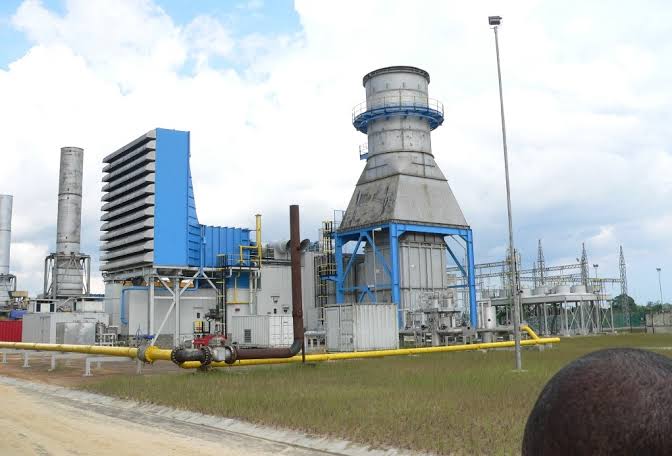
This is important because Akwa Ibom already has assets that can support a stronger electricity market. The State has generation capacity through Ibom Power Company and other critical electricity infrastructure. However, the main challenge has remained how to organise the market, improve distribution, attract investment and deliver power efficiently to homes, businesses, public institutions and industrial users.
Under the new electricity reform direction, Akwa Ibom is expected to pursue a more decentralised and practical power model. This means that electricity planning will be closer to the needs of communities, businesses and institutions.
Underserved communities can be identified. Their energy needs can be mapped. The most cost-effective solutions can then be deployed, including mini-grids, embedded generation, solar systems and targeted distribution upgrades.
For rural and riverine communities, this could mean better access to power where the national grid remains weak or uneconomical. For industrial areas, it could mean dedicated power arrangements that lower production costs and improve competitiveness. For urban centres, it could mean better metering, improved customer service and stronger distribution management.
The reform also places strong emphasis on consumer protection. The Commission is expected to support rules that promote accurate billing, fair tariffs, quality service delivery, safety, complaint resolution and transparency in the electricity market.
This consumer focus is important. Electricity reform will only succeed when residents see practical improvements in their daily lives. They need better supply. They need clearer bills. They need faster response to complaints. They need safer connections. They need less dependence on petrol and diesel generators.
The economic impact could be significant.
For small businesses, stable electricity can reduce operating costs. For hospitals, it can improve service delivery. For schools, it can support digital learning. For farmers and agro-processors, it can power storage and processing. For manufacturers, it can improve productivity. For households, it can improve comfort and quality of life.
Electricity is not a stand-alone sector. It supports almost every other sector.
That is why the State’s electricity reform aligns with the ARISE Agenda, especially in the areas of infrastructure, rural development, industrialisation, job creation and private-sector growth.
The State’s policy direction also recognises the role of natural gas and renewable energy. Akwa Ibom has gas resources that can support power generation and energy security. At the same time, renewable energy can help extend supply to communities and locations where conventional grid expansion may be slow or costly.
This gives the State a balanced pathway. Akwa Ibom can use its gas advantage to strengthen electricity supply while also supporting solar and other renewable options where they are suitable.
The Board of the Commission therefore begins work at a critical time. Its responsibility goes beyond regulation on paper. It must help build public trust. It must support clear rules. It must attract credible investors. It must protect consumers. It must ensure that the reform serves the people and supports the State’s long-term development.
The journey to electricity sufficiency will require discipline, investment and coordination. It will require cooperation between the State Government, the Commission, Ibom Power, distribution operators, investors, local governments, communities, federal agencies and consumers.
But the direction is now clear.
With the inauguration of the Akwa Ibom State Electricity Regulatory Commission Board, Governor Umo Eno has moved the State closer to a future where electricity becomes a tool for growth, productivity and improved living standards.
Akwa Ibom has the resources. It has the policy. It now has a regulatory institution to drive the process.
The task ahead is to turn potential into performance.
For the people of Akwa Ibom, this is the beginning of a new chapter in the quest for reliable, affordable and sufficient electricity.