
By ETIM ETIM
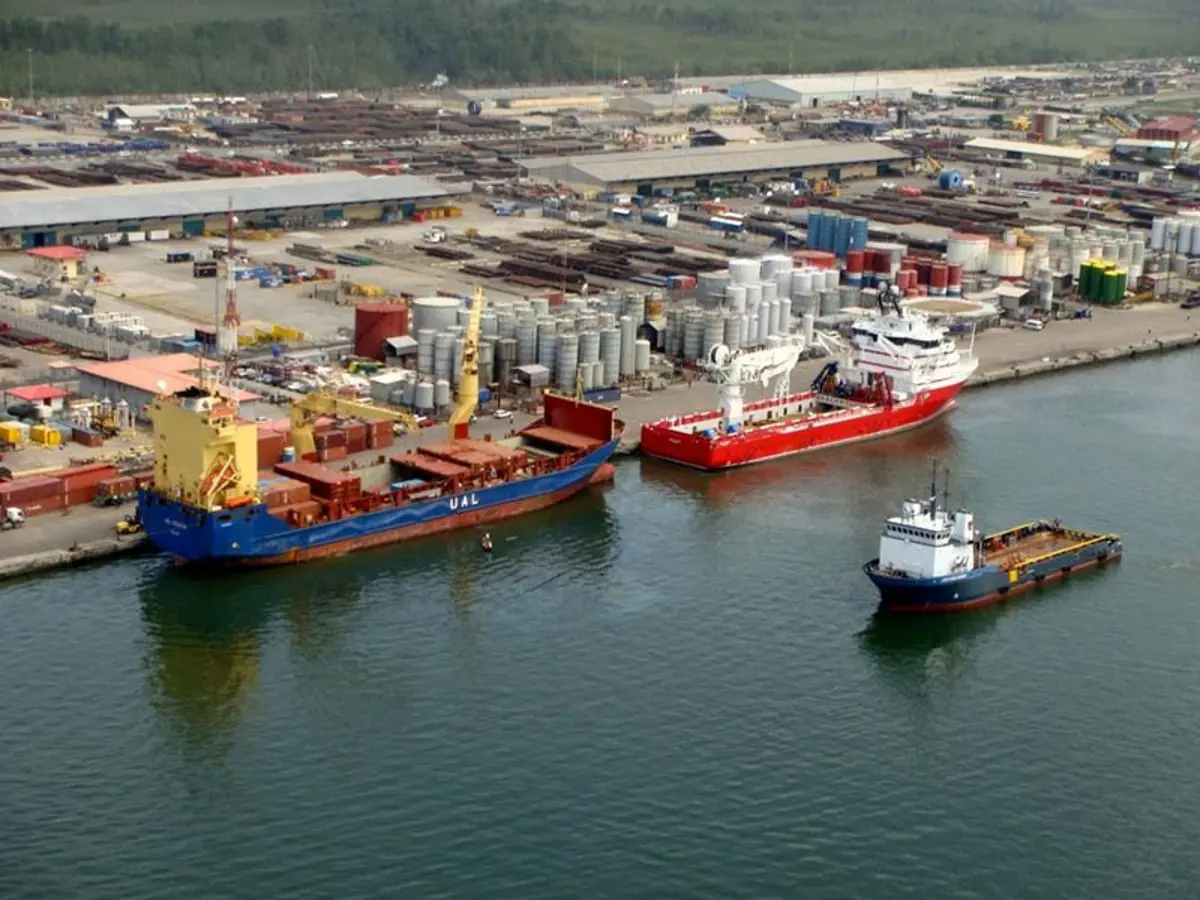
The briefing given by Mrs Mfon Usoro, Chairman of Ibom Deep Sea Port Technical Committee, on the project’s feasibility report, was truly an eye-opener. The 600-page report is comprehensive, exhaustive, broad and wide ranging. It explains in details the huge scale of the project and the enormity of the various tasks required to bring it to fruition. Among all the states that are angling to build ports, Akwa Ibom is the first to produce a Feasibility Report. This is why this feasibility report would not be uploaded on the internet. Anybody that is serious should go and pay for its own.
I took away a few points from the two-and –half-hour briefing. One, like similar massive projects all over the world, it would cost a fortune to build Ibom Deep Sea Port (IDSP), and Akwa Ibom State government alone cannot handle it. Constructing a deep-sea port that can accommodate the large vessels is a massive undertaking, and the cost can be staggering. Recent projects suggest costs ranging from $1.7 billion to $10 billion or more, depending on factors like location, size, and complexity. IDSP could be within the range of $5 billion to $10 billion.
Similar port projects are within this range. Kyaukpyu Deep Sea Port, Myanmar cost $7.3 billion. It’s a 246-hectare port project expected to be completed by 2027; Bagamoyo Port, Tanzania ($10 billion), a new port with a 34-km road and 65-km railway connection; Jeddah Islamic Port Expansion, Saudi Arabia ($7 billion), aiming to increase container handling capacity to 20 million TEUs per annum; Machilipatnam Port, India ($1.7 billion), a deep-water port with 12 berths and a cargo handling capacity of 55 million tonnes per annum; Lekki Port, Nigeria ($1.5 billion), a deep-sea port with a capacity to handle 6 million TEUs of containers and significant bulk cargo. But IDSP is bigger than Lekki. ISDP has a capacity for 1.2 million TEUs in phase 1A only and 10 terminals at completion.
Suffice it to say that these costs could vary widely, and the final price tag will depend on the specific requirements of the project. Akwa Ibom is is looking to reducing its stake in IDSP and bring in more more investors, in addition to the core investor.
Another take-away from the briefing is that it would take quite a long t to complete IDSP. My sense is that it may not even be completed during the tenure of this administration. It took Lekki Free Zone Port, a privately owned facility, 20 years to complete from the date approval was obtained. For IDSP, approval was given in 2020. It’s therefore safe to assume that the expected delivery date would be between 2030 and 2040. A lot of us may not be around to see this dream realized; but we shall continue to do our best for the sake of our people and generations unborn. Building large deep-sea ports is a complex process and the timeframe varies widely depending on factors like project scope, location, technology, and funding. Typically, it can take anywhere from 5 to 15 years or more to complete a major port project.
Here’s a rough breakdown of the processes and timelines involved. Planning and design: 2-5 years; Permitting and approvals: 1-3 years; Construction: 3-10 years; testing and commissioning: 1-2 years. The Maasvlakte 2 port in Rotterdam took around 10 years to complete; The Khalifa Port in Abu Dhabi took around 8 years and the Port of Piraeus expansion in Greece took around 5 years. The Lekki Deep Sea Port was initially announced in 2002 and had several delays before construction began. Actual construction took 27 months (almost three years), starting from 2020 to 2022. These timelines can vary significantly based on local regulations, environmental factors, and technological complexities.
The third important point I took away from the briefing on Wednesday is the huge business and job opportunities the port offers. Over 400,000 direct and indirect jobs would be created. That’s far more than the number employed by the state government. The Committee, however, noted that qualified and skilled persons in maritime business from Akwa Ibom State are very few. In some ports in the country, no more than four Akwa Ibom persons are employed. This is the time for our young persons to acquire the necessary skills in this area. IDSP is not a civil service agency and will only employed the best in the country through a competitive process. There won’t be any ‘’slot’’ business.
The location of the IDSP threw up interesting conversations during the briefing. The technical Committee noted that the project traverses two local government areas – Mbo and Ibeno – just like the Victor Attah International Airport cuts across three LGAS: Okobo; Nsit Attai and Uruan. It is therefore important that the host communities of IDSP understand that the port is a federal project with the Akwa Ibom State as a major partner. The host communities as well as the whole of Akwa Ibom State would be the ultimate beneficiary of this project and the benefits are enormous.
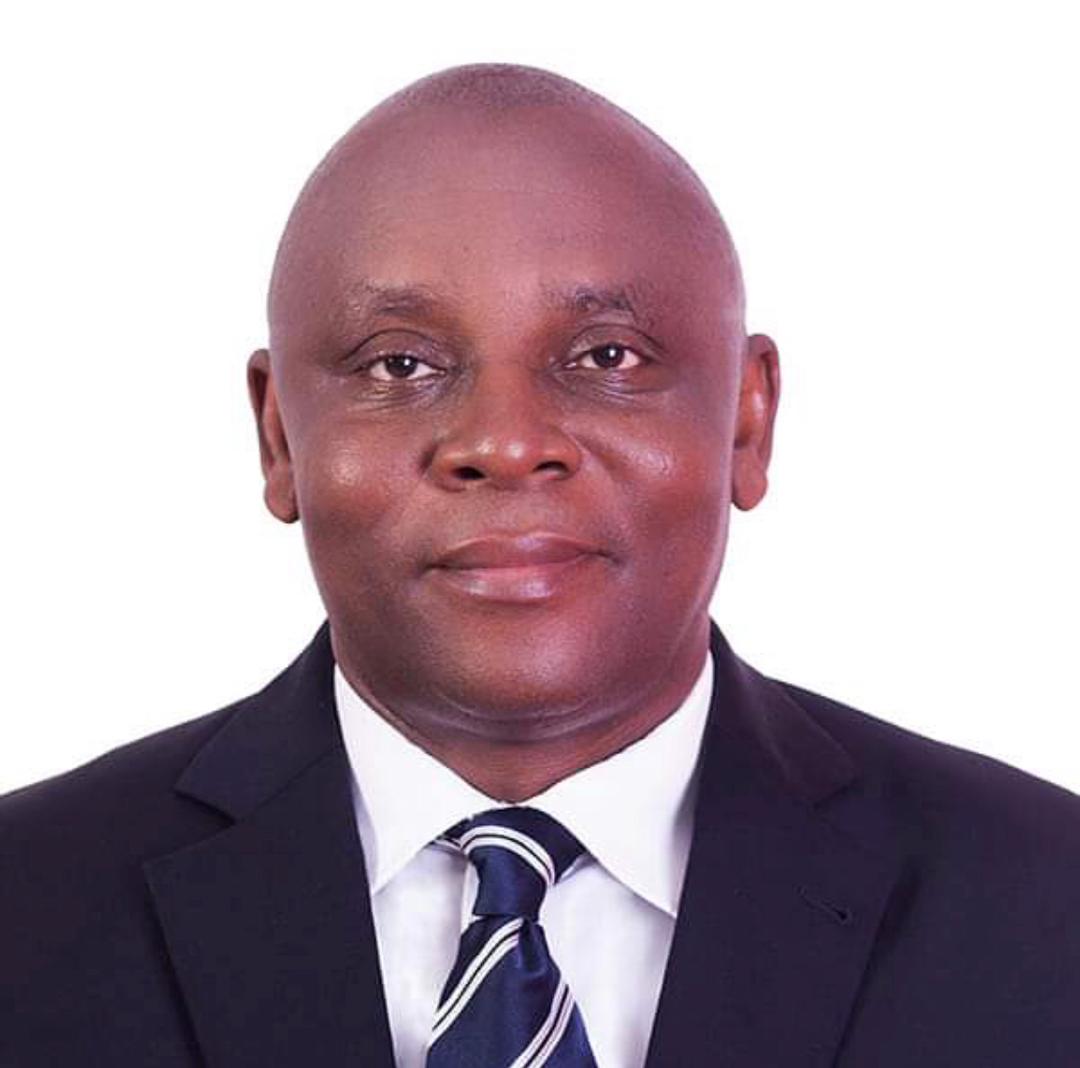
ETIM ETIM is a veteran journalist and PR professional with over 35 years of cognate experience.
He is the publisher and editor-in-chief of Policy & Politics (www.policyandpolitics.com.ng), an online newspaper dedicated to insightful analysis of Nigerian news and world’s report. He is also a columnist with BusinessDay and The Cable and is a regular contributor to other newspapers.
Contact: +234802 3159969 (WhatsApp Only)