Isaac Samuel
Fresh tension is building in the Niger Delta over the controversial oil pipeline surveillance contracts awarded by the Nigerian National Petroleum Company Limited (NNPCL), as civil society organisations and regional groups trade accusations and counterclaims over the arrangement.
The controversy intensified following the decision of the National Assembly to investigate the pipeline surveillance framework, which was introduced by the Federal Government to curb crude oil theft and pipeline vandalism in the oil-rich region.
While some stakeholders have backed the probe and demanded the termination of the contracts, others have defended the arrangement, insisting that it has helped restore stability in the Niger Delta and improved Nigeria’s crude oil production.
The dispute reflects deeper disagreements over the control of oil-related opportunities in the region, the implementation of the Petroleum Industry Act (PIA), and the role of host communities in protecting petroleum infrastructure.
Indeed, the controversy surrounding pipeline surveillance contracts dates back to August 2022, when the Federal Government awarded a major pipeline protection contract to Tantita Security Services Nigeria Limited, a firm linked to former Niger Delta militant leader Government Ekpemupolo, popularly known as Tompolo.
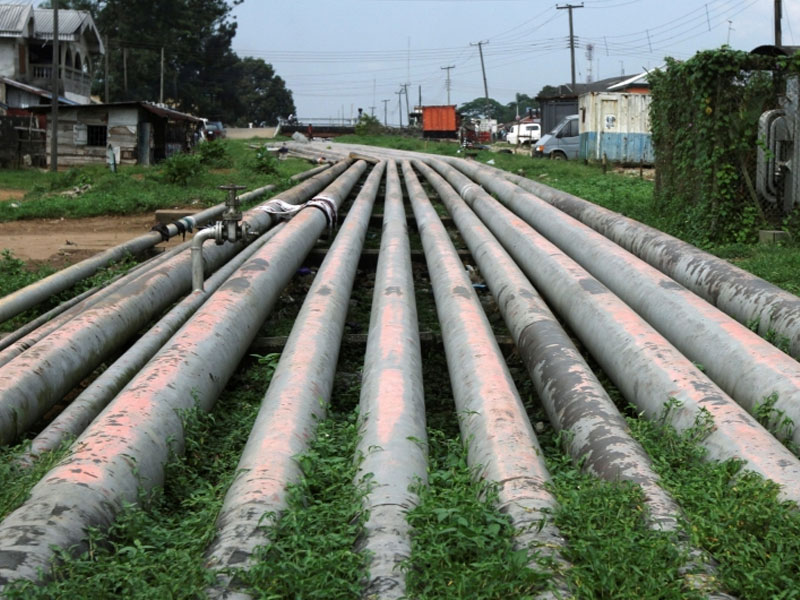
The contract, reportedly valued at about N48 billion annually (around N4 billion monthly), covers pipeline networks across Delta, Ondo, Imo, Rivers and parts of Bayelsa State.
The arrangement was introduced at a time Nigeria was losing huge volumes of crude oil to theft and pipeline vandalism, which had significantly reduced the country’s production levels and revenue. �
At that time, government officials argued that engaging private security contractors and local actors familiar with the creeks would help tackle the complex network of illegal refineries and oil theft syndicates operating in the Niger Delta.
Supporters of the contract say the initiative has helped reduce pipeline vandalism and contributed to the gradual recovery of Nigeria’s crude oil production.
However, critics have questioned the transparency of the procurement process and argued that entrusting critical national infrastructure to private security outfits could undermine the responsibilities of formal security agencies.
On Friday, civil society organisation, the Coalition for Better Nigeria, thrown its weight behind the ongoing investigation by the National Assembly into the pipeline surveillance contract.
Addressing journalists in Abuja, spokesperson of the coalition, Yahaya Garba, described the probe as a necessary step toward transparency and accountability in the oil and gas sector.
According to him, the investigation will enable lawmakers to scrutinise the procurement process, funding structure and performance of the contract, which has generated intense public debate.
Garba said the probe would reassure Nigerians that the legislature remains committed to its constitutional duty of oversight.
“The investigation demonstrates that the National Assembly is willing to interrogate the management of public funds and ensure accountability in the oil and gas sector,” he said.
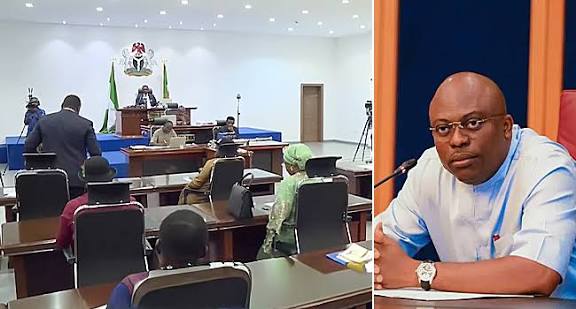
The National Assembly recently convened a joint investigative hearing involving the Senate and House of Representatives committees on petroleum resources to review the pipeline surveillance contracts and the financial operations of the NNPCL.
Lawmakers said the hearing would examine the procurement process, scope of work, funding arrangements and performance benchmarks of the contract.
They also intend to determine whether the surveillance framework has effectively curtailed crude oil theft and improved national revenue.
However, the coalition accused the former management of the NNPCL of misleading Nigerians about the actual cost of the contract.
Garba said what was initially presented to the public as a N4.8 billion monthly surveillance contract has now emerged as a multi-trillion-naira arrangement when cumulative payments and associated contracts are considered.
The group described the development as troubling, arguing that the financial structure of the project must be subjected to independent scrutiny.
The coalition further argued that despite the huge financial commitment, crude oil theft has continued across the Niger Delta.
According to the group, reports of tanker vessels carrying stolen Nigerian crude intercepted abroad suggest that the scale of oil theft remains alarming.
“This clearly implies that crude oil is being stolen in unimaginable proportions right under the watch of those paid to prevent it,” Garba said.
He added that such large-scale theft could hardly occur without the involvement of those responsible for securing the pipelines.
Consequently, the coalition called on President Bola Ahmed Tinubu to terminate the current surveillance contracts and initiate a comprehensive restructuring of the pipeline security framework.
It proposed that pipeline protection should instead be handled by host communities located along the pipelines in line with the provisions of the Petroleum Industry Act.
According to the coalition, involving host communities directly in surveillance activities would improve intelligence gathering, create employment and strengthen local ownership of oil infrastructure.
The group also urged the National Assembly to involve forensic auditors in the probe.
“We call on the National Assembly to go beyond surface-level hearings and engage forensic experts to audit the accounts of the companies handling this project,” Garba said.
“It is imperative to determine whether funds allocated for the project are actually used for operations or returned as kickbacks to those who influenced the contract.”
In a related development, a Niger Delta organisation, the United Niger Delta Congress (UNDC), also demanded a restructuring of pipeline surveillance contracts to align with the Petroleum Industry Act.
The group’s National President, Comrade Julius Malam-Obi, argued that the current arrangement contradicts the spirit of the PIA, which recognises host communities as key stakeholders in protecting petroleum facilities located in their territories.
He said concentrating the surveillance contracts in the hands of a few operators risks marginalising several oil-producing ethnic nationalities in the region.
According to him, the Niger Delta comprises multiple oil-bearing ethnic groups including the Ijaw, Urhobo, Isoko, Itsekiri, Ndokwa, Ogoni, Ibibio and Efik.
“No single bloc should dominate opportunities linked to the protection of pipelines in the region,” he said.
The organisation argued that decentralising the contracts across host communities would strengthen local ownership of oil infrastructure and enhance intelligence gathering against crude oil theft.
The UNDC also called for the reservation of at least 35 per cent of surveillance opportunities for women in oil-producing communities..
According to the group, women in the Niger Delta have borne the environmental and economic consequences of oil exploration for decades but remain largely excluded from economic opportunities in the sector.
Malam-Obi said allocating surveillance opportunities to women through cooperatives and community-based enterprises would promote economic empowerment and strengthen social stability in host communities.
Background: The Tantita contract
Amid the growing calls for the cancellation of the contract, another civil society group, the Creek to Creek Movement, defended the arrangement and urged the Federal Government to retain it.
The group argued that the pipeline surveillance framework has contributed to improved security in the creeks and helped restore investor confidence in the Niger Delta.
According to the organisation, critics of the contract are attempting to destabilise the region and undermine efforts to curb oil theft.
It warned that scrapping the surveillance framework could reopen the region to renewed oil bunkering, violence and sabotage.
With billions of naira at stake and crude oil revenue central to the country’s economy, the controversy has placed the management of Nigeria’s oil assets under intense public scrutiny.