Isaac Samuel
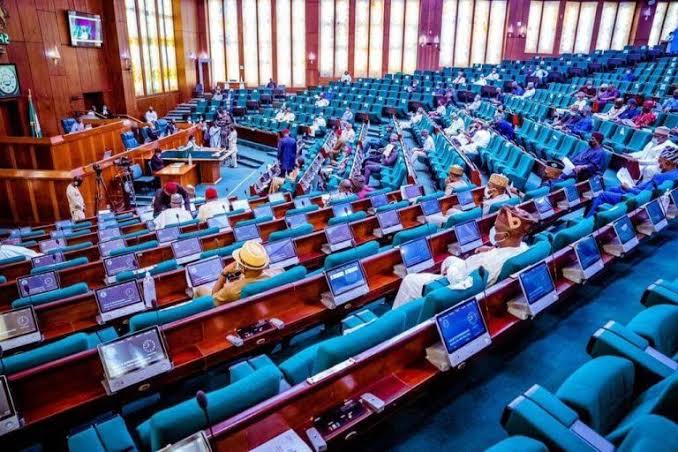
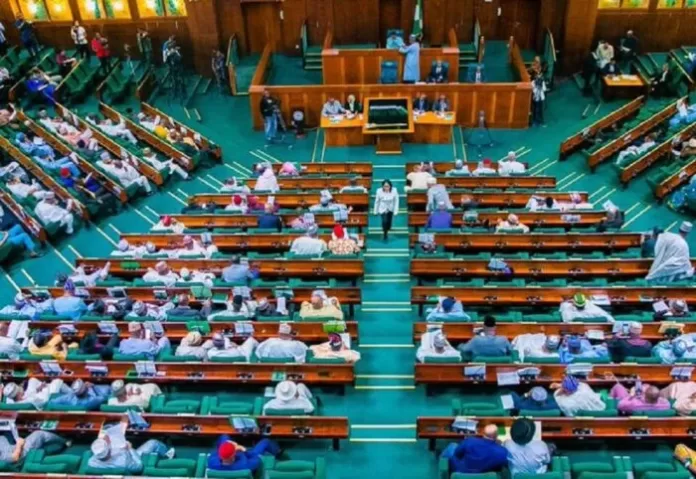
The House of Representatives has clarified that any committee reportedly set up by the Minority Caucus to examine recently enacted tax laws lacks formal parliamentary authority and has no legal standing.
House Spokesman, Rep. Akin Rotimi, in a statement on Sunday said while caucuses play a key role in consultation and policy advocacy, they do not have the power to constitute committees or submit reports on behalf of the House.
An ad-hoc committee on tax laws set up by the minority caucus released a report on friday confirming that Nigeria’s newly enacted tax reform laws were altered after they were passed by the National Assembly.
The caucus described the development as a serious violation of legislative authority and a threat to democratic governance.
The Ad-hoc Committee is led by Afam Victor Ogene.
According to the Ogene who represents Ogbaru Federal Constituency, the most significant discrepancies were found in the Nigeria Tax Administration Act, 2025, where reporting thresholds were allegedly lowered, mandatory deposits introduced as conditions for tax appeals, and enforcement powers expanded to include arrest and disposal of seized assets without court orders.
But Rotimi in the statement noted that under the Standing Orders of the House of Representatives, only committees established by the House in plenary or by the Speaker carry parliamentary authority,”
The House warned that circulation of such reports could mislead the public.
Rotimi noted that a bipartisan ad hoc committee had already been properly constituted in December 2025 to examine alleged discrepancies in official documents relating to the tax laws.
He said the committee, comprising members from both the ruling and opposition parties, remains active and is expected to lay its findings before the House in plenary.
The House further stated that only the official gazette and certified true copies of the tax laws issued by the National Assembly are valid legislative instruments, dismissing any unofficial documents in circulation.
Rotimi said the House considers the action attributed to the minority caucus to be procedurally improper, inconsistent with parliamentary norms, liable to set an unwholesome precedent, and to create unnecessary public confusion, particularly since the matter has already been addressed through established parliamentary mechanisms.
“In this context, the establishment of a parallel caucus-led committee and the circulation of purported interim findings serve only to compound public misunderstanding on an issue that has been institutionally resolved and overtaken by events.
“For the avoidance of doubt, only committees constituted by the House in plenary or by the Speaker have parliamentary authority. Members of the public are therefore advised that any committee or report not constituted or authorised by the House or the Speaker should be regarded strictly as a political initiative and not as an official action of the House of Representatives”, he stated.
Responding on Sunday, Ogene accused the House leadership of trivialising a serious institutional breach and warned that dismissing the caucus report would only encourage impunity within government bureaucracy.
He maintained that the minority caucus’ findings did not indict the National Assembly but rather exposed what he described as external interference that compromised the integrity of laws duly passed by lawmakers.