“WE VOTED FOR A PRESIDENT, NOT A FASHION ICON”
There is growing public frustration in Botswana, with many citizens openly questioning the priorities and leadership style of President Duma Gideon Boko, one year into his term.
Across social media, community meetings and political discussions, people say they expected a leader focused on jobs, economic recovery, youth unemployment, rising living costs, failing public services, and restoring confidence in state institutions. Instead, some feel the President appears more preoccupied with personal image and lifestyle than with urgent national challenges.
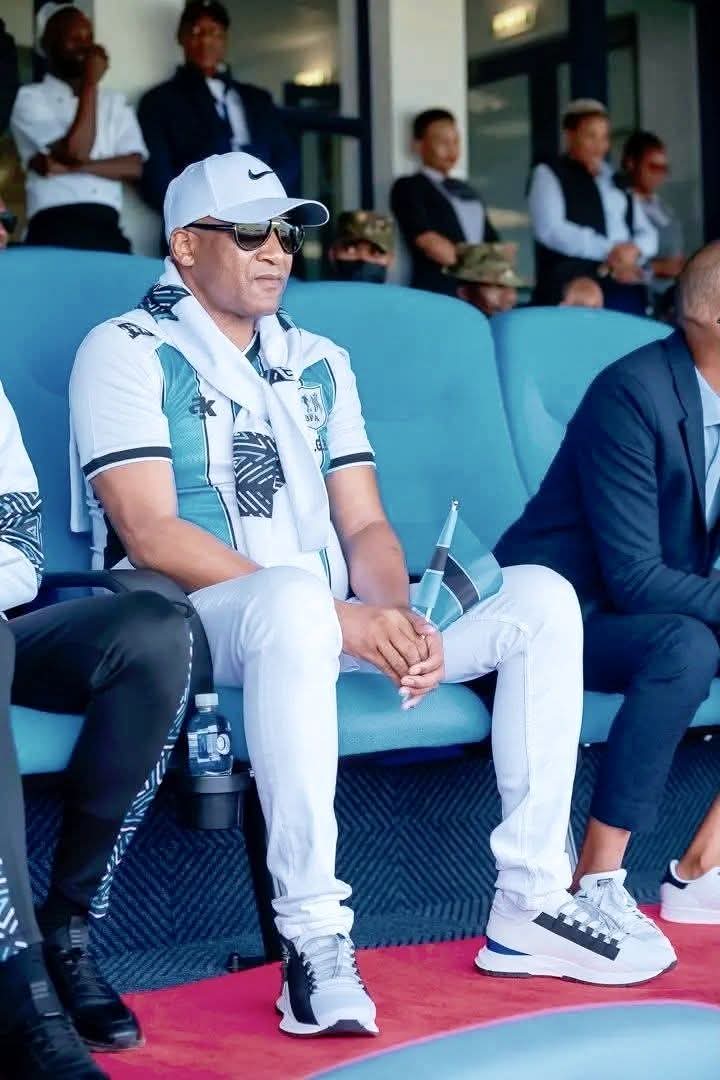
Critics argue that while communities struggle with poverty, inadequate infrastructure, water shortages, and limited opportunities for young people, the Head of State is often seen projecting a carefully curated “youthful” image – expensive sunglasses, imported Timberland boots, tight jeans, designer suits, and flashy T-shirts. To them, this symbolism represents misplaced priorities in a country where many cannot afford basic necessities.
Others say they are disappointed by what they describe as a “celebrity-style presidency”, where style seems to overshadow substance. They expected bold economic reforms, decisive action on corruption, clear plans for industrial growth, and a strong vision for empowering the youth and rural communities. Instead, they feel the administration has been slow in delivering visible, life-changing development.
There is also debate around the President’s mannerisms and public persona. Some citizens claim he has adopted an American accent and a more informal identity since assuming office, preferring to be called “Duma” or “your boy” rather than “His Excellency”. To supporters, this signals humility and modern leadership. To critics, it reflects a lack of gravitas and respect for the office in a country that values dignity, tradition, and institutional authority.
The broader sentiment being expressed is not simply about clothes or style, but about expectations of leadership. Many Batswana say they voted for transformation:
– More jobs and economic stability
– Stronger service delivery
– Youth empowerment and skills development
– Firm action on corruption and inequality
– A President who places national issues above personal branding
As one voice circulating online puts it: “We are not hungry for fashion, we are hungry for development. We did not elect a model, we elected a leader.”
Whether fair or not, these perceptions highlight a growing gap between what people hoped for and what they believe they are seeing. For many in Botswana, the message is clear: symbolism must now give way to substance, and style must be matched with serious, visible progress in the lives of ordinary citizens.